



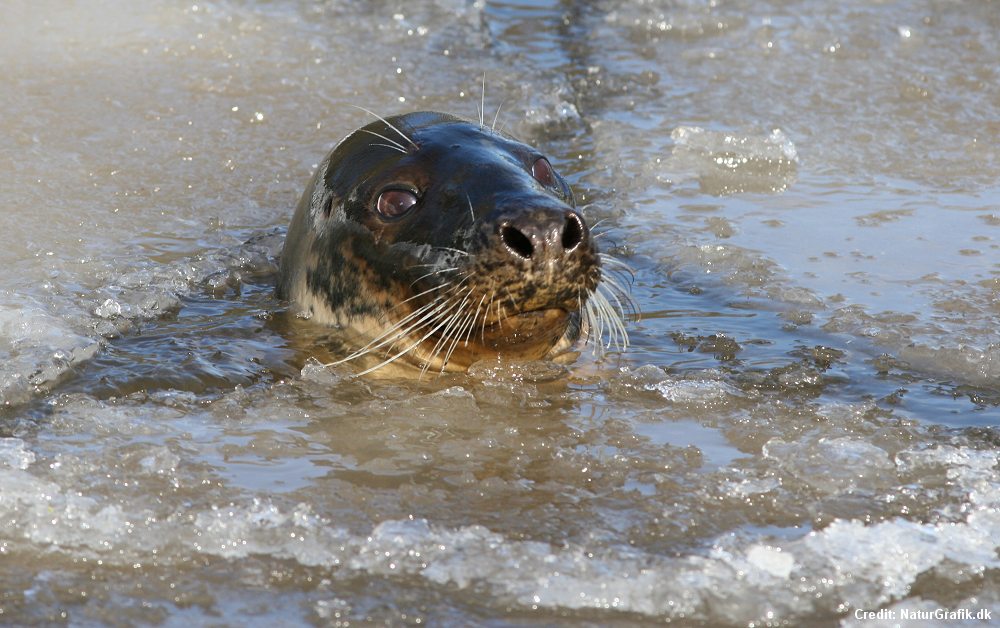
The red deer (Cervus elaphus) is Denmark’s largest land-dwelling mammal (Denmarks largest land-breeding mammal is the grey seal).
Every late summer it takes center stage in one of nature’s most dramatic spectacles: the rutting season. From early August through late September, the forests and wetlands echo with the deep, resonant roars of stags – a wild symphony that signals the battle for dominance and the right to gather a harem of hinds.

A Crowned King of the Forest
The Danish name kronhjort (“crown deer”) is steeped in history. Some believe it reflects the fact that red deer were once reserved as royal hunting game, while others point to the stag’s antlers: in older males, the beams often form a crown-like shape. Either way, the red deer truly lives up to its regal reputation.
The Rut Comes Earlier Than Before
Only a generation ago, the red deer rut began in October. Today, it starts more than a month earlier, with the first roaring stags heard in August. In the Vejlerne Nature Reserve, between Thy and Hanherred in Northern Jutland, the sound of stags bellowing across the reed beds is a highlight of late summer. Scientists are still unsure why the season has shifted – though some suggest a link to climate change.

During the rut, stags and hinds gather after months of living apart. To impress potential mates, a stag wallows in muddy puddles laced with his own urine, covering himself in a powerful scent. Unlike roe deer, red deer do not defend fixed territories. Instead, the strongest stags try to claim harems of hinds, earning the title of “master stags.”
Roaring is not just a love call – it’s a challenge. The sound tells rivals how strong and determined a stag is. If another male dares to step forward, the contest begins with posturing: antler scraping, parallel walks, and deafening bellows. Only if neither stag backs down do antlers clash in fierce combat. By the end of the rut in October, many stags are exhausted, having lost up to 20% of their body weight.

A Striking Appearance
Red deer are powerfully built animals with compact bodies and long, slender legs. Their heads are more elongated than those of roe or fallow deer. In summer, their coats glow reddish-brown, turning grey-brown in winter. The rump patch is a distinctive yellow, unlike the bright white seen in other Danish deer.
Only males grow antlers, which are shed each spring and regrown in time for the summer. The oldest stags shed first and sport fully grown antlers again by mid-summer. In West Jutland, stags of up to 230 kg have been recorded – around ten times the weight of a full-grown roe deer. More typically, stags weigh about 150 kg, while hinds reach up to 90 kg.
Life Through the Seasons
Red deer have roamed Denmark since the end of the last Ice Age, some 10,000 years ago. Most of the Jutland population still belongs to the ancient native stock, though escaped farmed deer occasionally mix with the wild herds.
These are social animals, living in herds known as “rudler.” Outside the rut, stags and hinds live separately, but calves stay with their mothers’ groups until about two years of age. A lead hind – usually the oldest female – guides the herd.

In summer, the deer feed mainly on grasses and herbs. Winter brings a tougher diet: heather, conifer shoots, and even tree bark. When food is scarce, they may turn to farmers’ crops, sometimes causing significant damage.
Where to Find Them
Although often associated with deep forests and plantations, red deer are just as likely to roam open heathlands and meadows. By day they usually keep to cover, venturing out at dusk and during the night to graze. They are excellent swimmers and can easily cross rivers and lakes. Large wetlands with dense reed beds offer them perfect shelter and peace.
Despite their strength and adaptability, red deer rarely mix with livestock in grazed pastures, even though ordinary fences are no obstacle. Their preference is for wilder landscapes – places where their ancient rhythms can still play out undisturbed.
✨ Wildlife Tip: If you want to witness the rut, head out at dawn or dusk in late summer to areas like Vejlerne or large West Jutland plantations. Listen for the deep, guttural roars rolling across the landscape – it’s one of Denmark’s most unforgettable natural concerts.