



Denmarks National Flower
The ox-eye daisy, Leucanthemum vulgare, also known as the marguerite, is Denmark’s national flower. This perennial herbaceous plant belongs to the family Asteraceae and is characterized by its striking white ray florets surrounding a central cluster of yellow disc florets. The flower is native to Europe, it thrives in meadows, grasslands, and along roadsides, where it plays a role in supporting pollinators such as bees and butterflies.
The Danish Marguerit Route
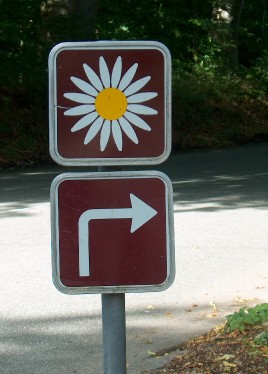
In Denmark, Leucanthemum vulgare is not only admired for its delicate beauty but also cherished as a symbol of the country’s natural heritage and cultural identity. The Danish Marguerit Route (in Danish: Margueritruten) is a scenic tourist driving route that winds through Denmark, highlighting some of the country’s most beautiful and culturally significant places. Named after the marguerite daisy, which is Queen Margrethe II’s favorite flower and a national symbol, the route is marked by brown signs with a white marguerite flower.
Key Features:
- Length: Around 3,600 kilometers (2,237 miles).
- Type: It’s a loop, so you can start and end at any point along the way.
- Purpose: To guide tourists through natural landscapes, historic sites, charming towns, manor houses, beaches, and cultural attractions.
What You Can See:
- Castles and Palaces (like Frederiksborg or Kronborg)
- UNESCO Heritage Sites (e.g., Roskilde Cathedral)
- Viking heritage sites
- Coastal cliffs and beaches (e.g., Møns Klint)
- Quaint villages and rolling countryside
- Museums, art galleries, and local farms
How to Follow the Marguerit Route:
You don’t need a special map—just look for the distinctive signs along the road. However, there are also apps and digital maps available that provide detailed guides, suggestions, and GPS help for travelers.
It’s a perfect option if you want a leisurely road trip and a deep dive into Denmark’s countryside and culture—especially if you enjoy spontaneous stops and scenic detours.