




When most people think of Denmark, their minds go straight to Copenhagen’s cozy cafés or colorful harbors. But venture beyond the city limits in spring, and you’ll discover a softer, wilder side of Denmark – one where nature gently shakes off the cold and welcomes the light.
Forests Full of Life
In early spring, Danish forests undergo a quiet transformation. Woodlands are sprinkled with delicate white wood anemones — a sure sign that warmer days are here. Listen closely, and you’ll hear the sound of birds returning: robins, blackbirds, song thrushes and chaffinches filling the air with their cheerful songs.
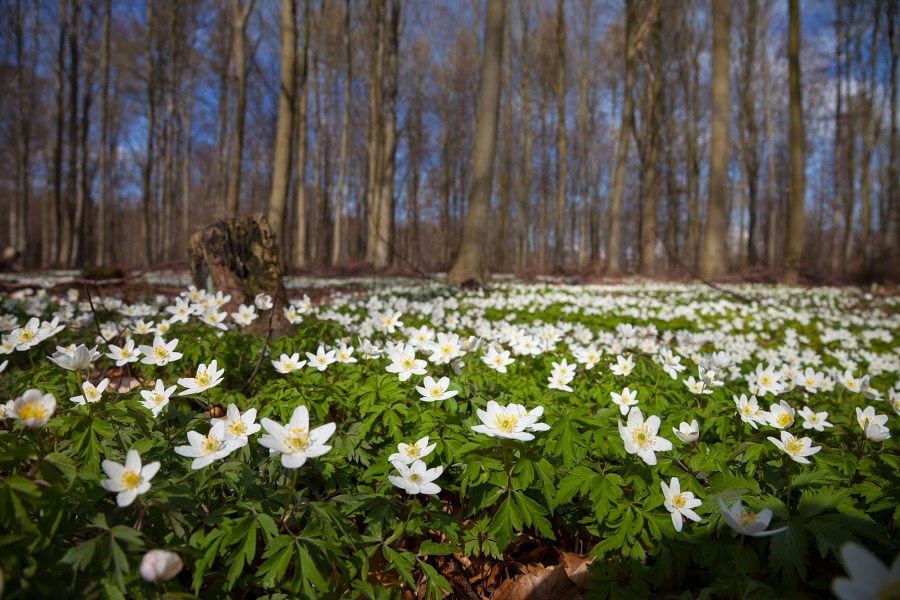
The period for spring in Denmark is from March to May.
The beech forests are especially striking. Their fresh leaves are a vibrant, almost electric green that seem to glow when the sunlight hits them. There’s something magical about walking through these woods while the earth is still damp and the scent of new growth is everywhere.
Coastal Calm and Wildflowers
Denmark’s coastline also shines in spring. While the water is still chilly, the beaches are peaceful and beautiful. Coastal paths wind through rolling dunes dotted with early-blooming wildflowers like coltsfoot and scurvy-grass. Seals are often seen basking in the sun, and if you’re lucky, you might even catch a glimpse of porpoises just off the shore.

Meadows, Marshlands, and Wildlife
Inland, Denmark’s meadows and marshlands come to life in subtle, beautiful ways. Frogs croak from hidden ponds, and you may spot a heron standing like a statue in the reeds. In some areas, in South Jutland, the storks return from their winter migration and build their nests on rooftops — a classic springtime scene in the Danish countryside.
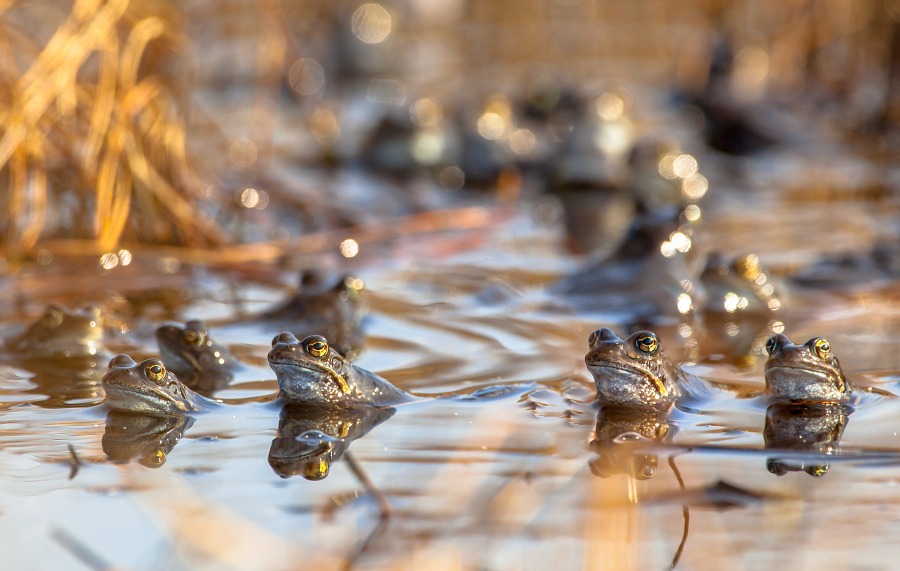
Wildlife is more visible in spring, with deer, foxes, and hares becoming more active. Even a simple drive through the countryside can reveal a scene straight out of a storybook.
Longer Days, Softer Skies
One of the most enchanting parts of Danish spring? The light. After a long winter, the days grow longer — often stretching until 8 or 9 PM — and the sunsets are pure poetry. The skies fade through soft pinks, purples, and golds, mirrored in lakes and fjords that seem to stand still just for a moment.
