



Denmark’s Nature Is Getting Wilder.
Danish nature has become wilder and more exciting in recent years. Large-scale nature restoration projects – supported by both public funding and private foundations – have created space for species long absent from the landscape. New species are arriving, and familiar ones are returning in growing numbers.
Denmark is becoming wilder by the day.
Birds of Prey: A Remarkable Comeback.
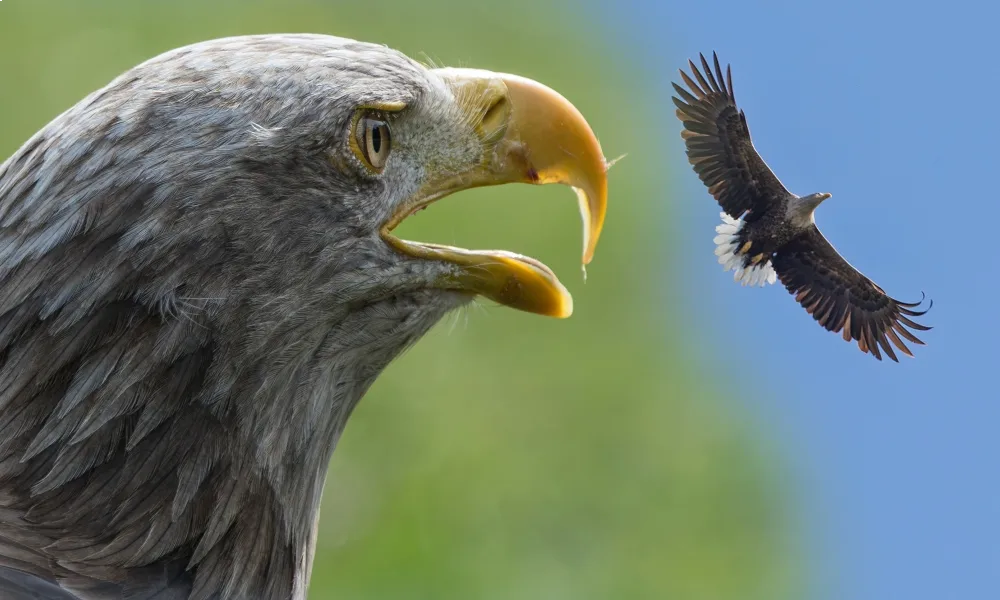
Scan the horizon above a Danish lake or fjord, and you might spot a white-tailed eagle – Northern Europe’s largest bird of prey. With an impressive wingspan of up to 2.5 metres and a very square flight silhouette, it resembles a flying door. Adults can be recognised by their white tail, pale head, and yellow beak.
The eagle was extinct as a breeder for most of the 20th century, these majestic raptors now nest across the country, from Lolland to Jutland. Their return is one of Europe’s great conservation success stories.
The golden eagle has followed, with a handful of pairs now breeding on Danish soil. The red kite – a graceful, russet-coloured raptor – soars over the hills of Jutland and Funen in growing numbers.
On winter evenings across Jutland, if you are patient and a little lucky, you may catch the deep hoot of the Eurasian eagle-owl (Bubo bubo) — the “king of owls” — echoing through forests that once knew only silence. Still rare, but no longer a stranger.
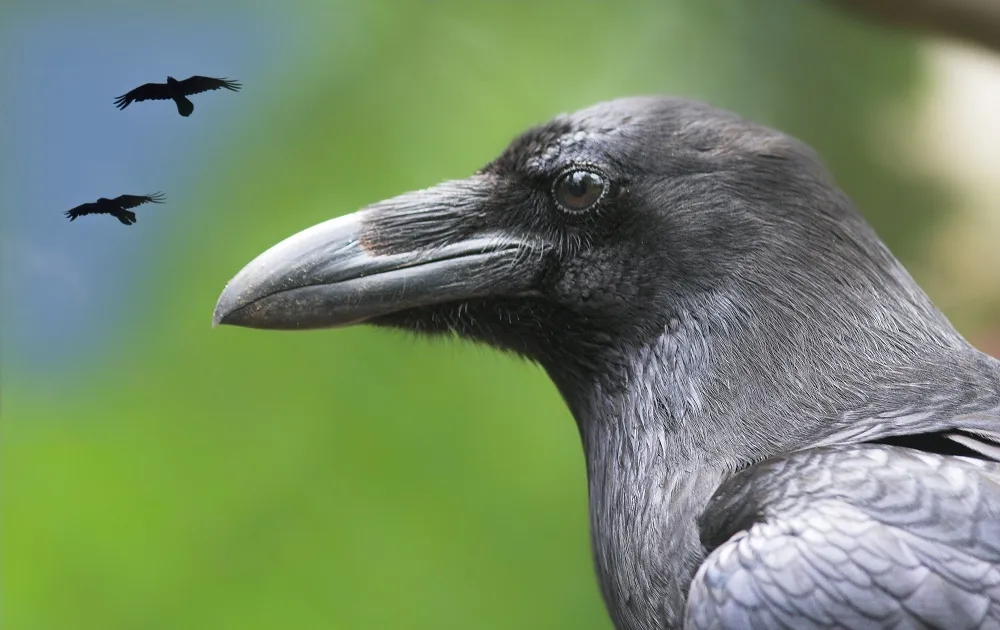
Even the raven, long persecuted and driven to the edge of disappearance, has made a spectacular comeback. Its croaking call is once again part of the Danish soundscape.
In Norse mythology, the raven was no ordinary bird — the god Odin kept two, Huginn and Muninn, who flew out each dawn to survey the world and report back. To hear a raven’s rough cry from a treetop today is to catch an echo of that ancient world. Some stories are not finished after all.
The Dance of the Cranes.
There is something almost mythical about watching a crane take flight at dawn, long neck outstretched, wings beating slow and powerful. These elegant birds vanished as breeders in the 1800s, but today they are back in force. In spring, their trumpeting calls carry across the moors and wetlands of Jutland and Bornholm, and each year more pairs choose to stay through the winter rather than migrate south.
Remarkably, an increasing number of cranes now overwinter in Denmark rather than migrating south, following the pattern seen among greylag geese.
Four-Legged Returnees
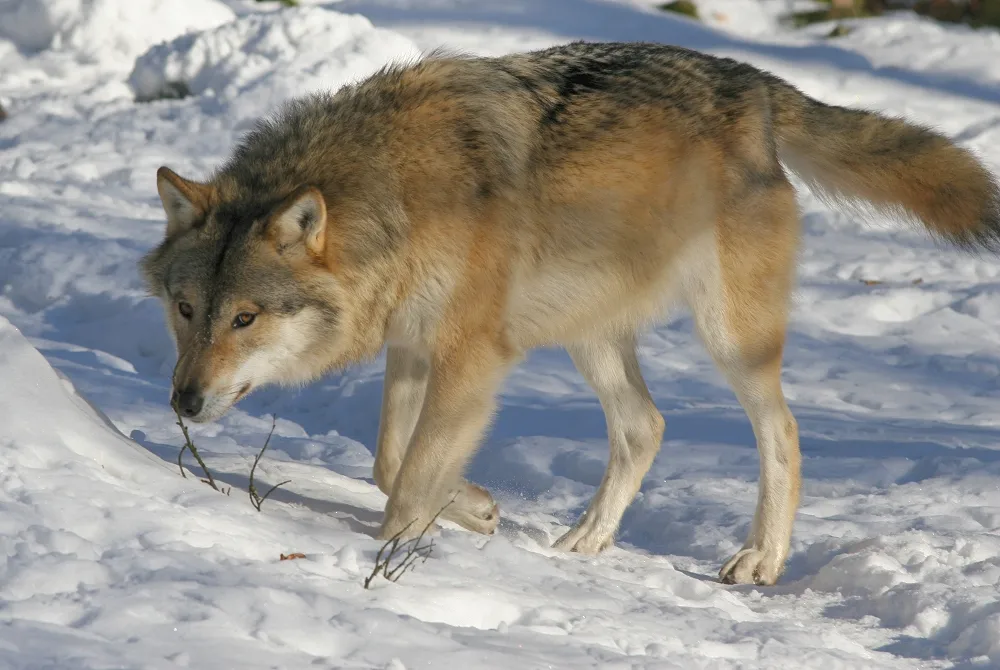
Denmark now has wolves again. Since the first individuals crossed the border from Germany in 2012, a small but growing population has taken hold in Jutland. For now, they often remain elusive – a glimpse of grey fur at the forest’s edge, a track in the mud – but their presence is real, and it is changing how the Danes think about their wild places.
The Eurasian beaver, absent for over two millennia, is now busy reshaping waterways in parts of Jutland, building dams and creating wetlands as only beavers can.
And then there is the newcomer: the golden jackal (Canis aureus). So far only a few individuals have been documented in Jutland – some alive on camera traps, one as roadkill. Native to southeastern Europe but expanding rapidly northward, this adaptable canid represents a new chapter in Denmark’s evolving fauna.
Grazers of Rewilding.
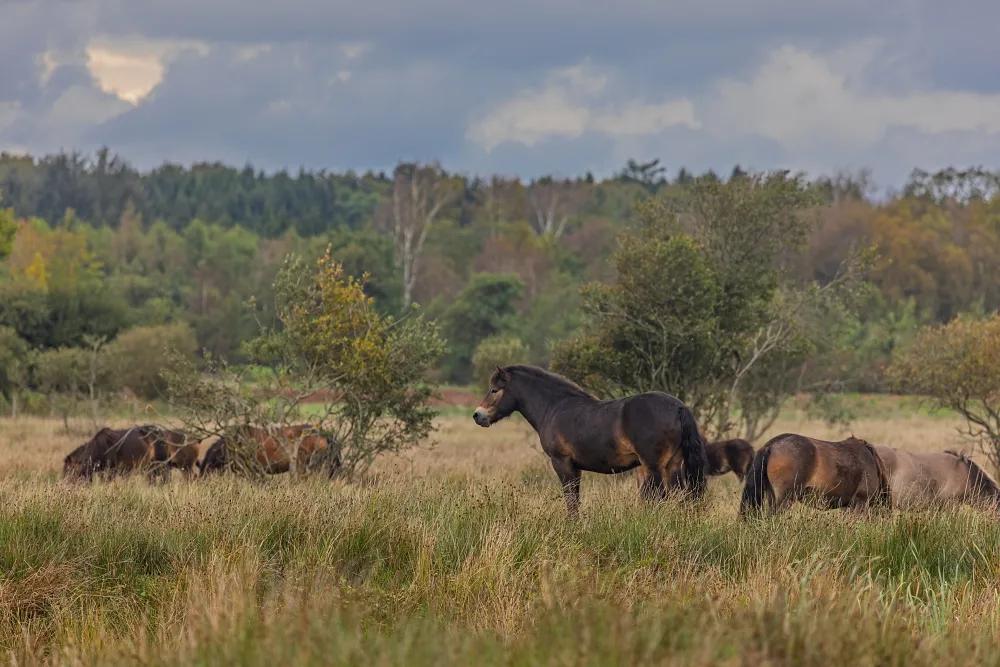
Across the country, a quieter revolution is underway. More and more nature areas are now grazed year-round by robust horses and hardy cattle breeds – animals tough enough to thrive outdoors through the Danish winter. Unlike conventional livestock, these large grazers move through the landscape as wild herbivores once did, creating a mosaic of open grassland, scrub, and wetland that benefits everything from orchids and butterflies to nesting birds and small mammals. It is a gentle, living form of landscape management – and it is working.
The Sea Is Changing Too.
The waters around Denmark are no less alive. Dolphins and even orca are being spotted along the coast with increasing regularity. And in a moment that stunned marine biologists, the bluefin tuna – absent from Danish waters for roughly 55 years, returned to the Øresund, slicing through the waves like living torpedoes of silver and blue.
A Wilder Future.
Denmark’s rewilding is not accidental. It is the result of decades of habitat restoration, legal protection, and changing attitudes toward nature. From the heathlands of Jutland to the straits of the Øresund, Denmark is becoming a place where the wild still belongs.
The trend is clear: Danish nature is getting wilder.