



A species returns – and so does an old fear.
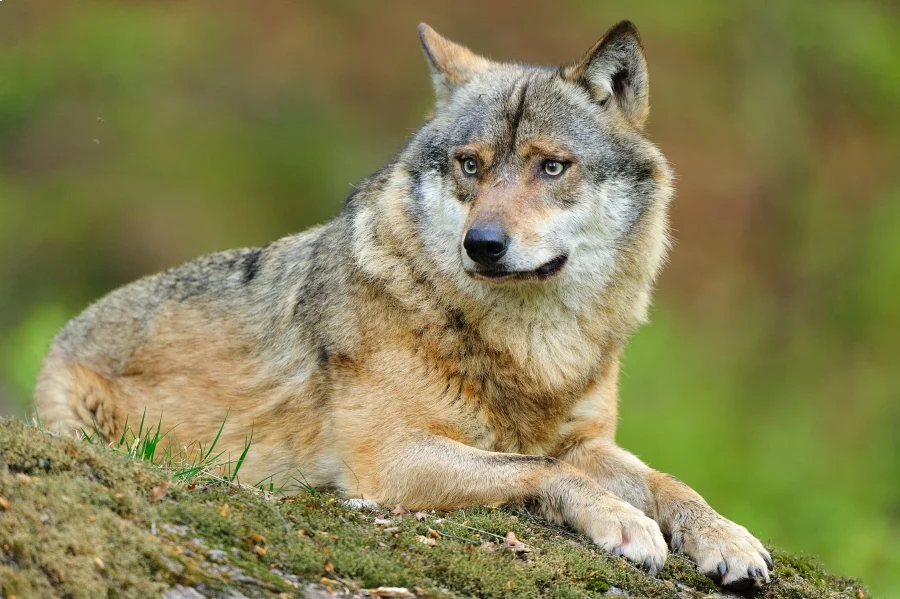
When wolves returned to Denmark in 2012 after nearly 200 years of absence, they brought more than a wildlife story with them. They also reopened an old and powerful cultural nerve. In a country where large predators had long been absent, the wolf quickly became more than an animal: it became a symbol, a worry, a political argument, and, for some, a sign that genuinely wild nature had returned.
That helps explain why the Danish wolf debate is so often driven less by biology than by emotion. For people living close to wolf territory, the animal can feel unpredictable simply because it is new again in the modern Danish landscape. Reports of sightings, livestock attacks, and wolves moving near villages spread quickly, while scientific context tends to travel more slowly.
What the experts actually say.
The professional knowledge is far more measured than the public mood. Researchers and wildlife authorities have repeatedly pointed out that wolves are generally shy of humans, and that the risk of a wolf attacking a person in Denmark is extremely low.
Historically, most wolf attacks in Europe were linked to rabies, a disease that has been eradicated in Denmark and Germany. Experts also stress that truly dangerous situations usually involve specific problem behaviour: a wolf losing its natural fear of people, being fed, becoming habituated to human presence, or being cornered or provoked.
For comparison, several thousand people are treated for dog bites in Denmark every year, while the risk of being attacked by a wolf is considered extremely low. That says something about the proportions of the debate, which is often driven more by political agendas and emotion than by professional knowledge.
That distinction matters. A wolf is not automatically dangerous simply because it exists. It becomes a management problem when its behaviour changes.
One encounter, a national uproar.
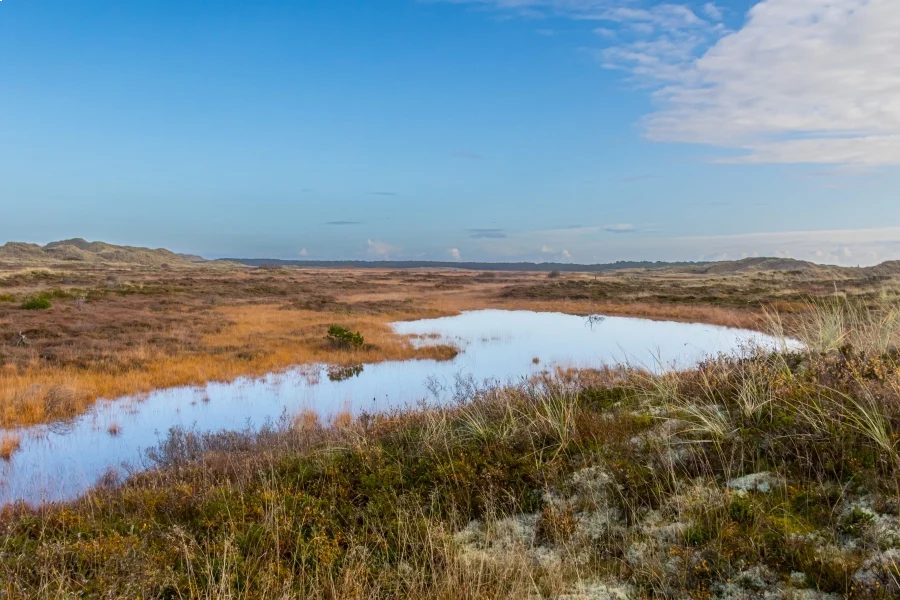
A single incident in late summer 2026 made that tension visible once again. A recreational runner captured unusual footage of Denmark’s northernmost wolf pair in Bunken Plantation near Råbjerg Mile, close to Skagen. A few days later, he returned to the area and was able to make a new video of the wolves. However, this time a more unsettling encounter when he surprised one of the parent wolves together with a small pup.
The adult wolf ran toward the runner and bared its teeth before fleeing with the pup. The video quickly reached the media, and the debate exploded. Danish and international experts assessed the incident as non-dangerous, explaining that the wolf was simply protecting its young and, in effect, communicating a clear warning: keep your distance!
Even so, local politicians called for the wolf family to be shot, and Prime Minister Mette Frederiksen also entered the debate by publicly speaking about the need for wolf regulation. Yet activity tracking on the running app Strava appeared to show that the runner was back in the area the very next day. The emotional and political argument, however, continued at full speed – especially on social media.
When concern becomes politics.
It is entirely reasonable for people to feel concerned when a large predator appears near homes, running trails, or livestock. But reasonable concern is not the same as panic, and wildlife management works best when it is based on documented behaviour rather than myth or momentum.
That became even clearer in August 2026, when a young male wolf in West Jutland was shot by the authorities after being judged to have lost its natural wariness of people and repeatedly come too close to humans. The shooting immediately reignited the national argument. Some saw it as a necessary act to protect public confidence and safety. Others saw it as a troubling example of how quickly fear can shape policy around a protected wild animal.
Not everyone sees the wolf as a threat.
One small gesture captured that divide with unusual clarity. After the young wolf was shot, a German tourist placed flowers at the site. It was a quiet act, but also a telling one.
While parts of the Danish debate are framed around anxiety and danger, many visitors do not see the wolf that way at all. For them, the presence of wolves signals something rare and valuable: that Denmark is still capable of supporting truly wild nature. In that sense, the wolf has become more than a species under management. It has become a test of how modern Denmark understands nature itself.
Wolves and tourism: attraction rather than avoidance.
Experience from other European countries suggests that wolves do not generally drive tourists away. In many places, the opposite has happened: wolves have become part of a growing nature tourism economy, attracting visitors interested in wildlife, tracking, and wild landscapes.
This is especially evident in parts of Spain, Italy, France, Sweden, Poland, and Finland, where wolves are increasingly associated with guided wildlife experiences and a stronger sense of authentic nature. That does not remove local conflicts over livestock or land use, but it does show that visitors often see wolves as an asset rather than a threat. In some regions, wolf-related tourism has even become a small but meaningful source of local income.
A better debate needs more knowledge and less noise.
Wolves should neither be romanticised nor demonised. They are not fairy-tale villains, but neither are they harmless pets. They are wild predators, and they require calm, informed, and proportionate management.
The real challenge is not whether people should have strong feelings about wolves. They inevitably will. The challenge is whether those feelings are allowed to outweigh evidence.