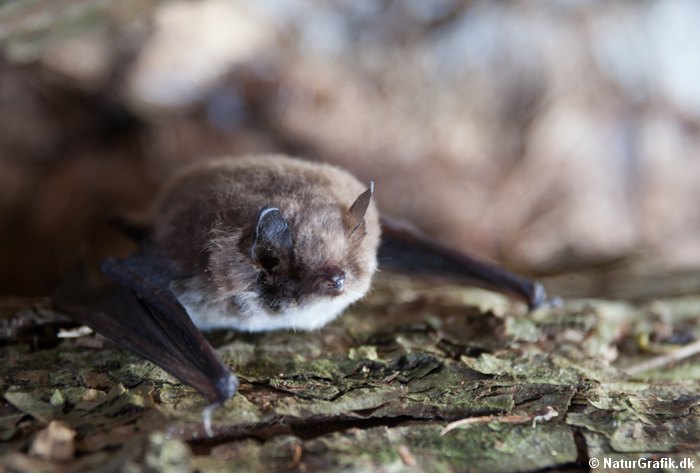



In Denmark there are no wild dogs and no rabies infected foxes or wolfs. The risk of rabies is insignificant/non-existent. However, some bats can be infected with the European Bat Lyssavirus.
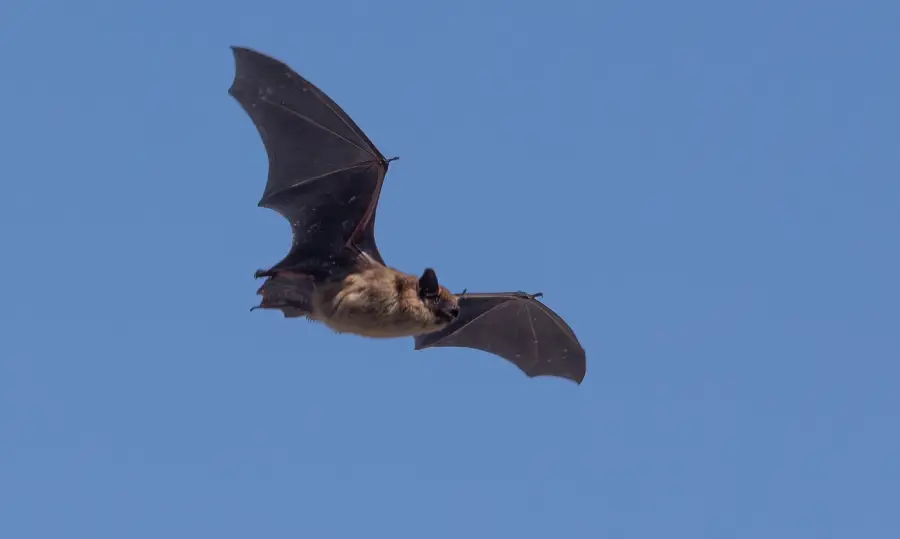
Rabies is a zoonotic disease transmitted from animals to humans, caused by the rabies virus. World wide domestic dogs are the most common reservoir of the virus, with more than 99% of human deaths caused by dog-mediated rabies.
In Denmark there are no wild dogs and no infected foxes or wolfs.
The risk of rabies is insignificant/non-existent.
Do not handle bats
However, some bats may be (in rare cases) infected with a rabies-related virus, the European Bat Lyssavirus, which can infect humans. The infected bats never attack humans. Bite from bats only occur if the animals are being handled. If you find a bat on the ground, don’t pick it up, even if you think it is dead!
If you are bitten by a bat, wash the wound with water and soap, and then immediately seek medical advice so that you can be vaccinated against rabies. If possible, the bat must be stored so that a veterinarian can submit it for rabies examination.
Rabies vaccine is not recommended for travelers in Denmark – including outdoor activities in remote areas.