Denmark is home to a surprising diversity of butterflies— more than 2,500 butterfly species have been registered, most of which are nocturnal moths.
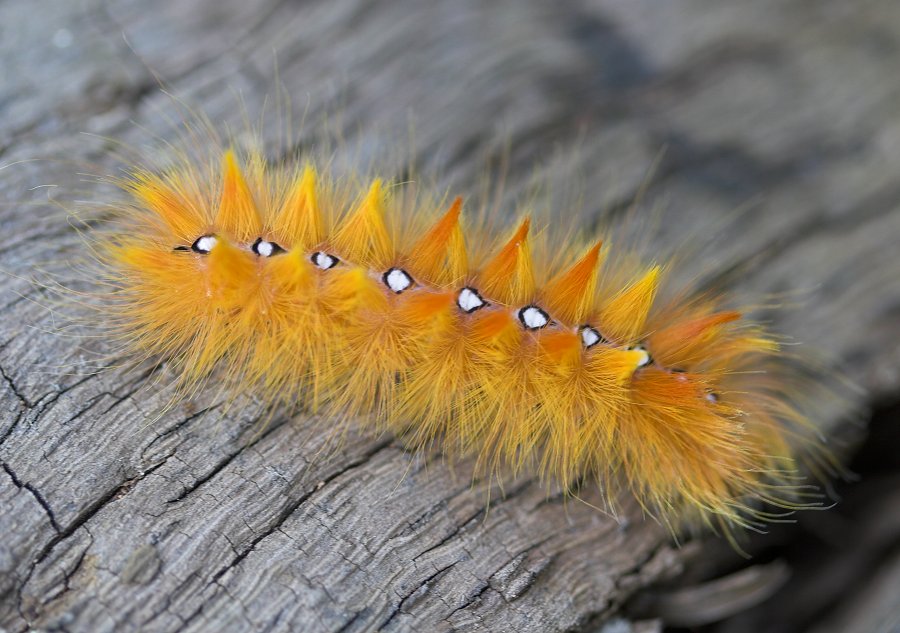
The Sycamore – Acronicta aceris. The brightly-coloured caterpillar is covered with yellow and orange hairs. Look for it in parks, gardens, woodland and scrub in June and July. Photo: Niels Lisborg.
In the countryside, during summertime, you can see species fluttering through meadows, forests and coastal areas. From the magnificent Silver-washed Fritillary to the delicate Common Blue, these winged wonders are a sign of a healthy and thriving environment.
Unfortunately, not all species are doing well. Many are in decline, endangered or vulnerable. Some have disappeared. Only about 65 species with permanent populations in Denmark are diurnal butterflies and active during the day.
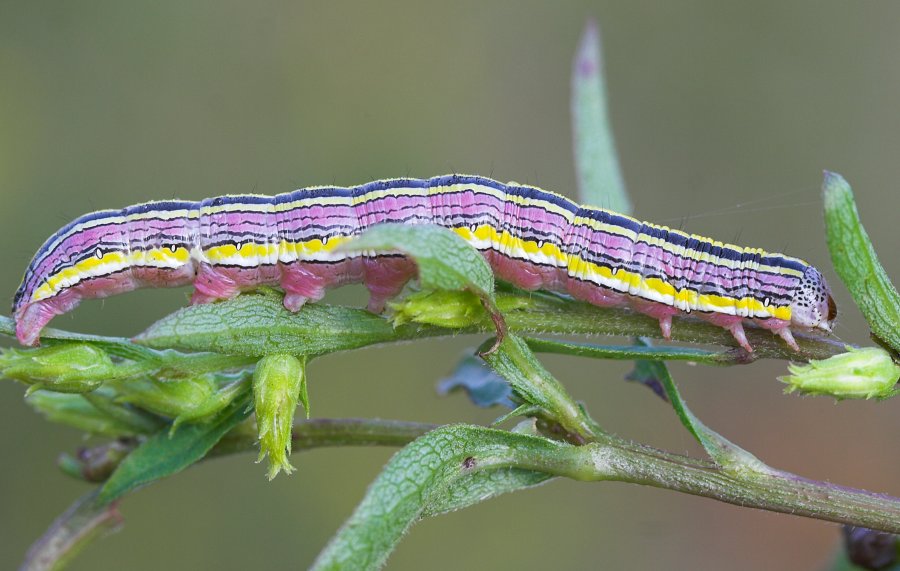
Caterpillar of the Star-wort Moth, Cucullia asteris. This pink version almost looks artificial. Photo: Niels Lisborg.
Across the country, authorities, volunteers and nature conservation associations are working to help butterflies. Even in many small private gardens, there is now a focus on helping butterflies and wild bees.
Amazing caterpillars
But before they become butterflies, they begin life as caterpillars. These leaf-munching larvae are vital to the ecosystem, serving as food for birds and other animals while helping plants by encouraging new growth.
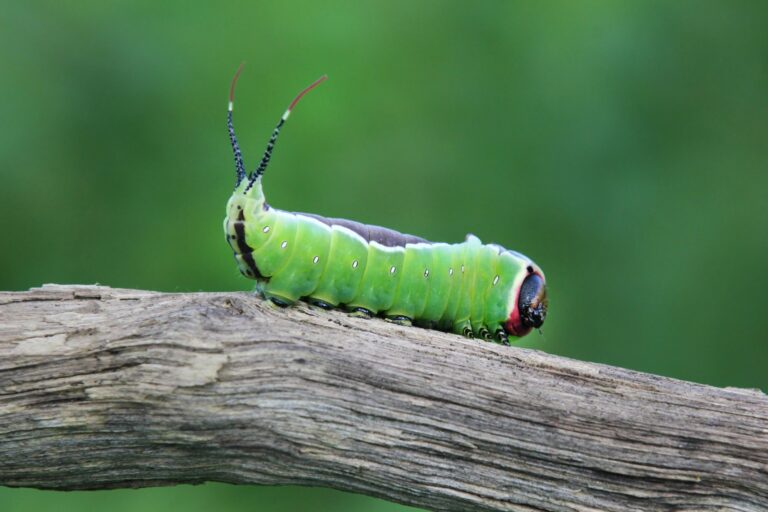
Caterpillars can be surprisingly beautiful and distinctive in appearance and color. Many gray and perhaps somewhat dull moths are extremely colorful during their time as a caterpillar.
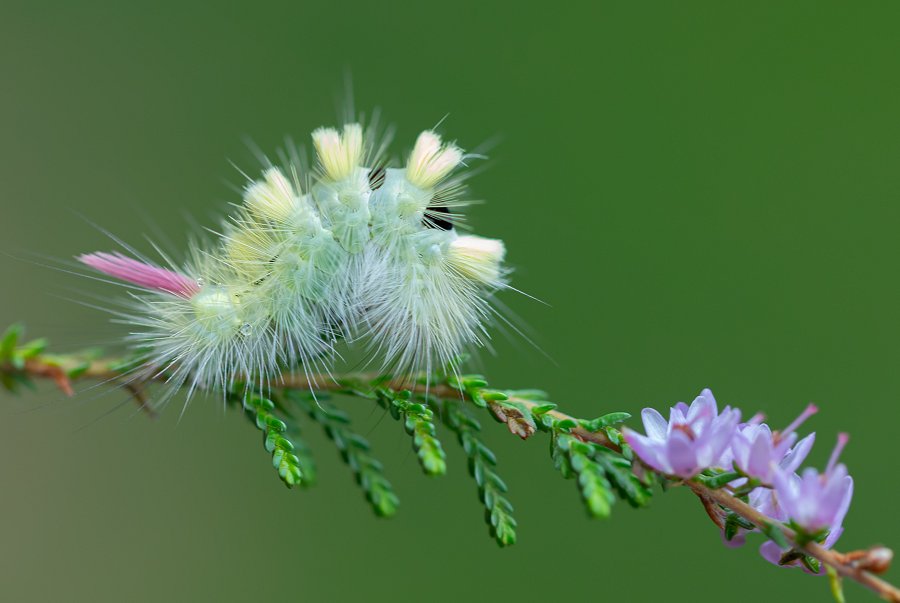
Caterpillar of the Pale Tussock Moth – Calliteara pudibunda. Tha caterpillar can be found in gardens, hedgerows, parks and woodland all over Denmark. Photo: Niels Lisborg.
Did you know? Many caterpillars in Denmark rely on native plants like nettles, buckthorn, and clover to survive. Supporting wildflower growth helps butterfly populations thrive.
Keep an eye out in summer months—May to late August is peak butterfly season. Whether you’re walking through heathland, coastal dunes, or a city park, there’s always a chance to spot one of nature’s tiny masterpieces.
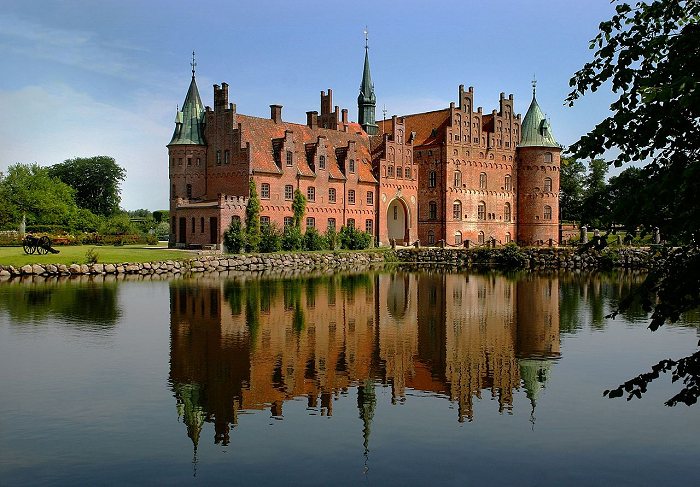
Egeskov Castle. Credit: Malene Thyssen, Wikipedia, CC BY-SA 3.0.
Among small villages, fairy-tale castles and Viking history.
Denmark’s countryside is heavy on the pastoral charm. There are fairy-tale castles turned hotels still run by real-life nobles and farm-to-table restaurants with tasting menus. Visitors who are looking to travel under their own steam, for example, can walk or cycle or go by car amoung a variarity of routes dotted with interesting sights – including breathtaking natural scenery, historic fortifications, ancient burial mounds and plenty of Viking history. Did you know that the word “Denmark” dates back to the Viking age and is carved on the famous Jelling Stone from around 900 AD.
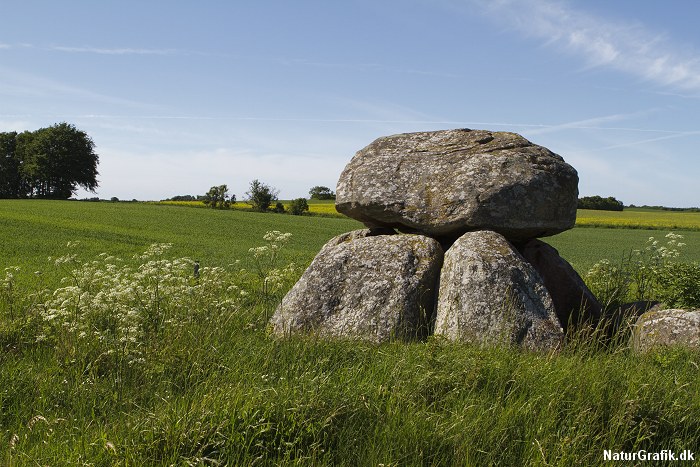
An old dolmen – a monument from the Stone Age more than 5000 years ago.
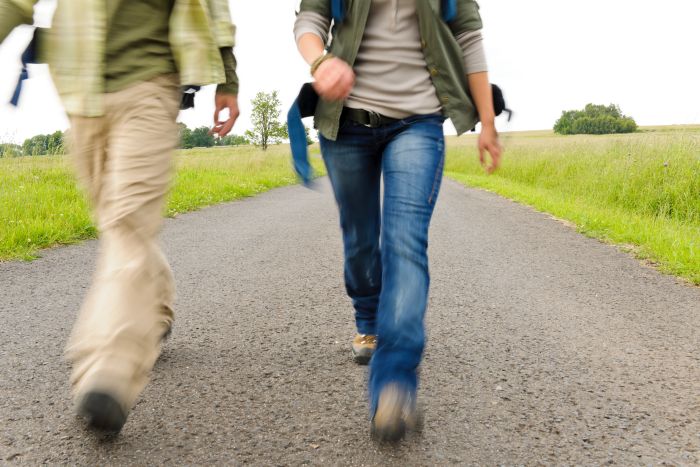
Denmark has a varied landscape with a lot of history and is a great hiking destination. One of the best ways to explore the Danish countryside is by bike or by foot.
Did you know that Denmarks is one of the safest countries in the world? Read more.
Read more about outdoor adventures in Denmark at VisitDenmark.com.
Denmark is a great hiking destination. There are plenty of great trails to discover.
Denmark may be a small country, but its coastlines are among the most captivating in Europe. With over 7,000* kilometers of shoreline, thanks to its more than 400 islands and peninsulas, Denmark offers a wide variety of coastal experiences that are both scenic and culturally rich.
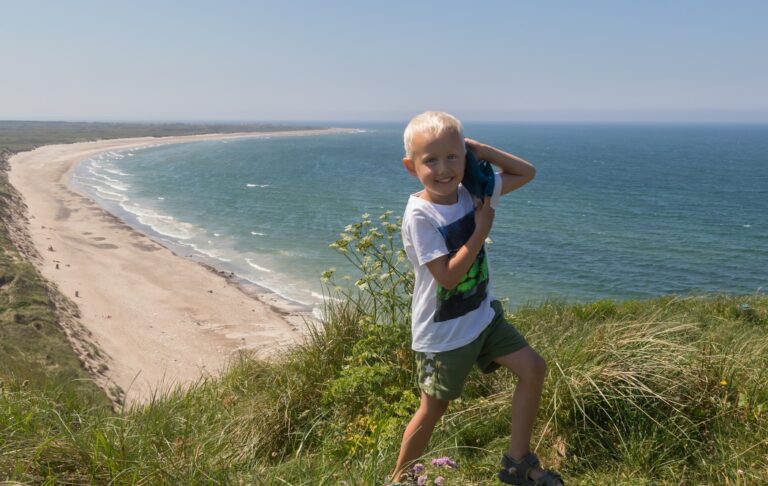
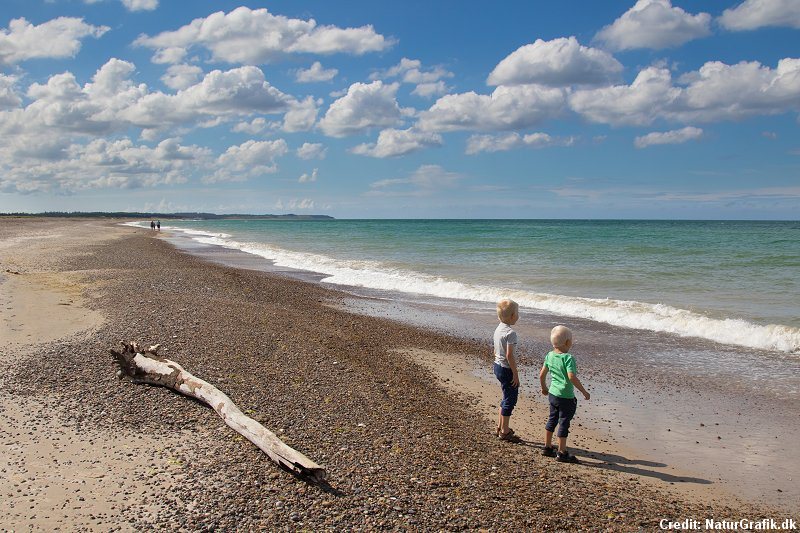
The west coast of Jutland is known for its wide beaches. Credit: Niels Lisborg.
You are never more than 50 kilometers away from the sea
One of the most special aspects of the Danish coastlines is their accessibility. No matter where you are in the country, you are never more than 50 kilometers away from the sea. This proximity fosters a connection between the Danes and their maritime environment. From childhood beach outings to the seaside, the coast is an integral part of Danish life.
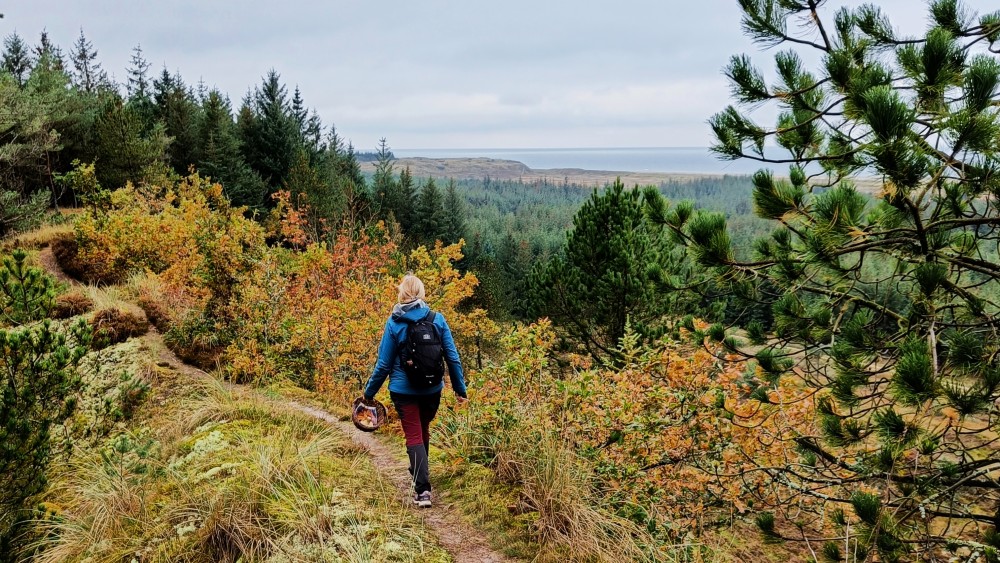
Foraging for Mushrooms in the coastal forests. Northern Jutland. Credit: Niels Lisborg.
Unik coastal protection appreciated by most visitors
Unlike in many other European countries, it is forbidden to build directly on the beach in Denmark. Denmark has a 300-meter-long coastal protection line along which construction is strictly prohibited – specifically to protect the unique coastline. Therefore, the beaches are not privatized by hotels but are publicly accessible to everyone. Environmental preservation is a high priority. Denmark has made significant efforts to protect its coastal ecosystems, including the creation of national parks like the Wadden Sea, a UNESCO World Heritage Site teeming with birdlife and unique tidal landscapes. The natural values and freedom to roam attract many tourists every year.
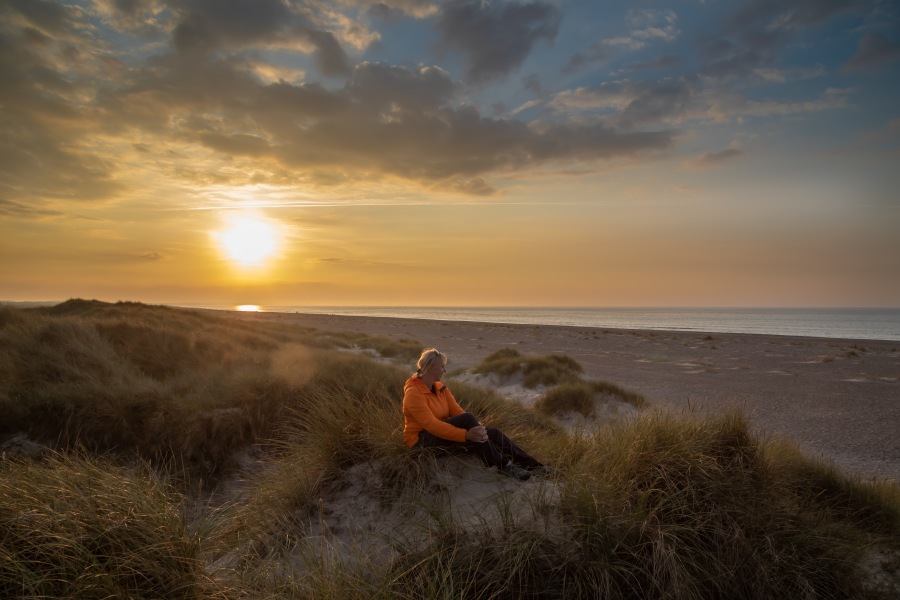
Peaceful quiet evening on the beach. The Danish beaches are not privatized by hotels like in some European countries. Credit: Niels Lisborg.
Inland Danish waters are still burdened by nutrient discharges from industry, cities and agriculture
Many of the inland Danish waters are still burdened by nutrient discharges from industry, cities and agriculture. The plan for the coming years is to compensate farmers to take out unproductive agricultural areas to reduce the burden. There is great economic value in clean waters with opportunities for fishing and tourism.
Big diversity between the East coast and the West coast and the Inland waters
The diversity of the coastal landscapes is another standout feature. The west coast, especially in Jutland, is known for its dramatic sand dunes and wild North Sea waves, making it a haven for surfers and nature lovers alike. In contrast, the east coast tends to have calmer waters and more sheltered beaches, perfect for family outings and leisurely swims.
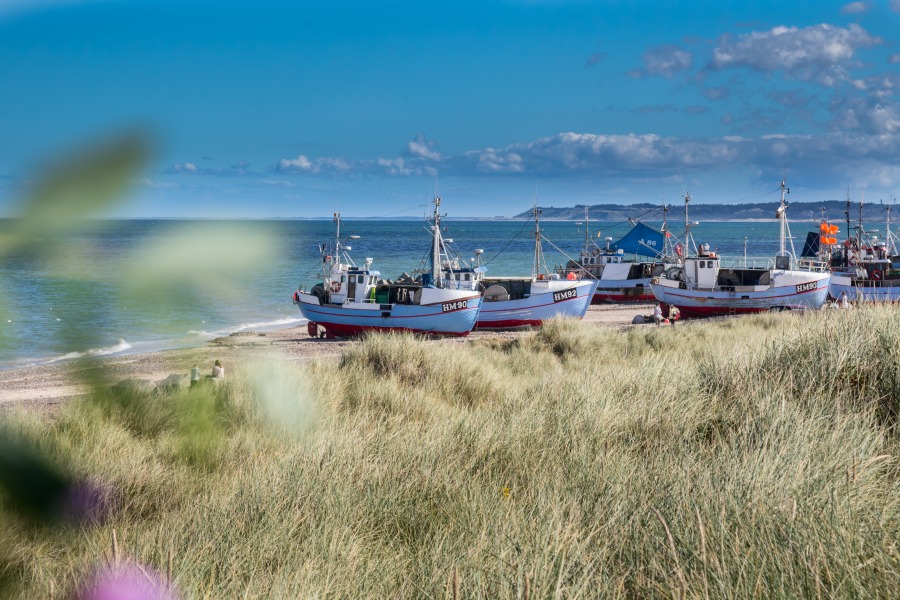
Fishing boats on the beach, Thorupstrand, Northern Jutland. Credit: Niels Lisborg.
Denmark’s coastlines are also steeped in history and culture. Ancient Viking sites, historic fishing villages, and picturesque harbors tell stories of seafaring heritage that continues to shape the national identity. The coastal towns often host maritime festivals, showcasing traditional wooden boats, seafood cuisine, and local crafts.
In short, the Danish coastlines are special because they blend natural beauty, cultural heritage, and sustainable living. Whether you’re looking for adventure, relaxation, or a touch of history, the shores of Denmark offer something truly unique.
*) The Danish coastline has recently been measured to be closer to 8000 km, depending on how detailed one follows and measures the coastline.
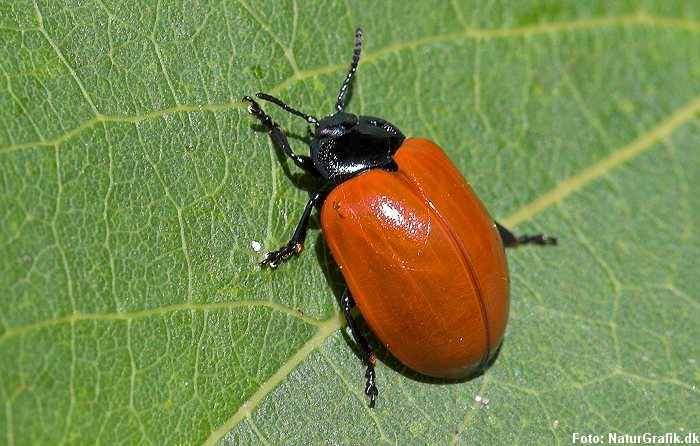
Around 20,000 species of insects are found in Denmark. Here the colourful Poplar leaf beetle Chrysomela populi.
80 percent of all known species in the world are insects. They possess an incredible wealth of shapes and colors. In total, more than one million species of insects are described, but the number of species may in fact exceed 30 million. In Denmark, around 20,000 species of insects have been found including many weird species.
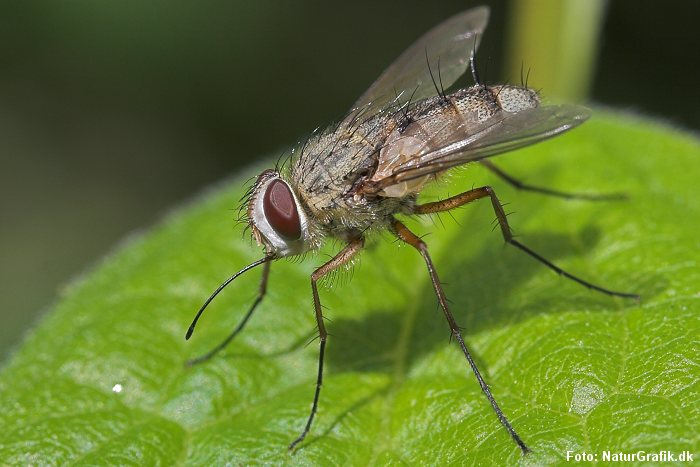
The harmless but dangerous looking fly Prosena siberita.
Mosquitoes
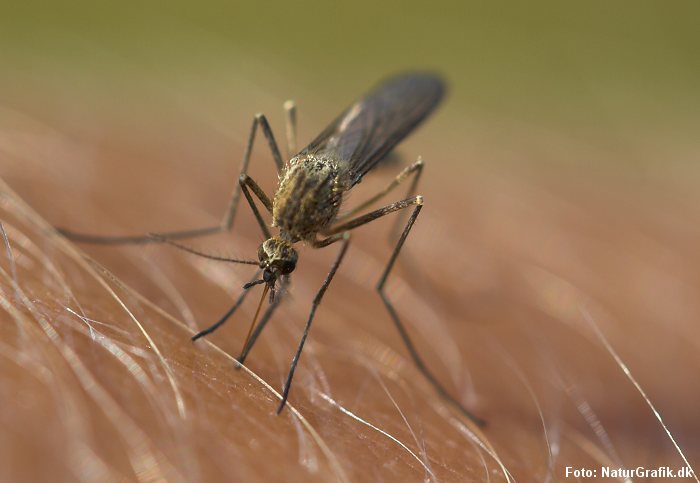
Denmark – like the rest of Scandinavia – has several species of mosquitoes including species of malaria mosquitoes. Bug bites in Denmark are normally not known to spread diseases. You do not have to worry about deseases from insects when hiking through rural areas. However, mosquitoes can be annoying especially summer evenings near wetlands and forest areas. Long sleeves, long trousers and mosquito balsam are the tricks if you want to avoid getting too much of mosquito bites.
Mosquitoes are in generel not known to spread diseases in Denmark. However, they can be very annoying.
New species of insects because of climage change.
Thanks to climate change over the past 15 years, nearly 100 new species have made their way to the Danish countryside. Exotic insects like the Blood Cicada (Cercopis vulnerata) and Emperor Dragonfly (Anax) are some of the insects that have found their way into the country.
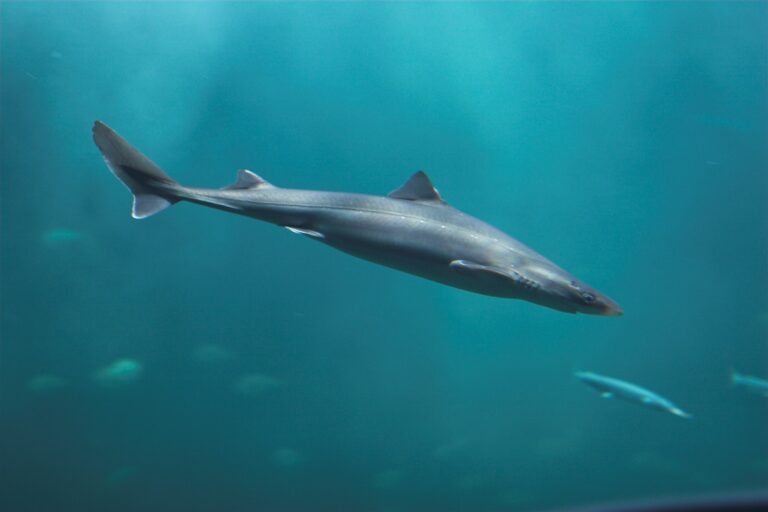
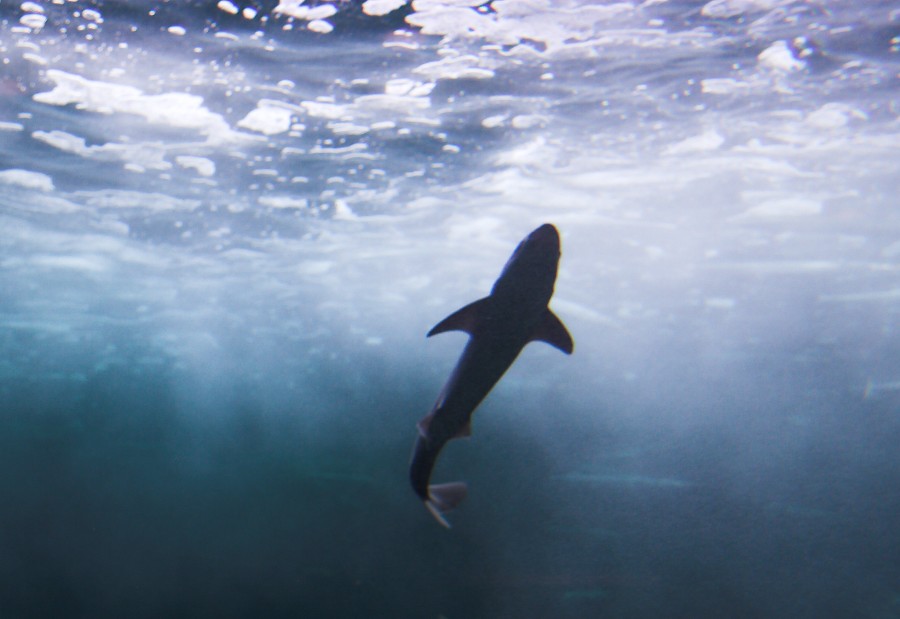
Several of the 14 shark species registered in Denmark are on the rise. This seems to be linked to reduced fishing.
Several analyses show that several of the species of sharks that live in Danish waters are doing well. According to researchers from DTU Aqua – The Danish National Institute of Aquatic Resources, the rise in sharks is due to less fishing for fish. When less fishing is done with beam trawlers and other trawlers in the North Sea, sharks, among others, are doing well. This is very clear, according to DTU Aqua.
Are there sharks in Denmark? Yes, about 14-15 species, but they are not dangerous and rarely seen close to the coast. Credit: Niels Lisborg.
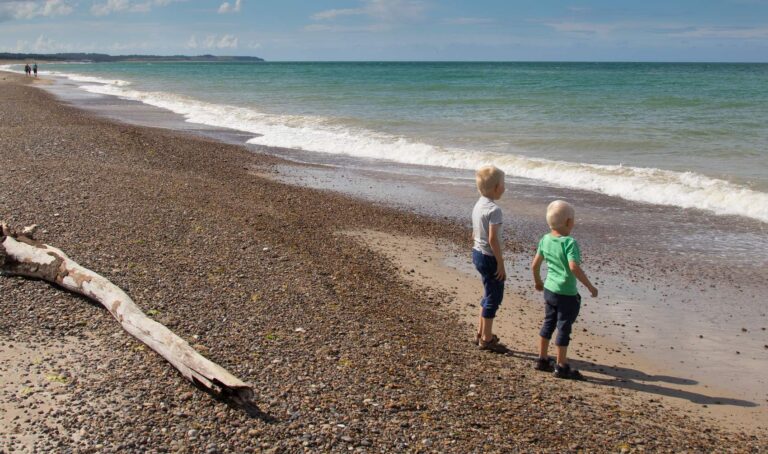
What are the chances of me encountering a shark on the coast of Denmark?
Virtually zero if you are a bather. Sharks generally prefer more salt in the water than we have around the coasts of Denmark. That is why they are typically seen further out to sea.
There are no dangerous sharks on the Danish coasts and no shark attacks on humans have ever been recorded in Danish waters.
Guide to sharks and skates around Denmark DTU Aqua has published a guide to identify the different species of sharks and skates around Denmark. The guide has been published in a revised edition and is now also available in English: Guide to sharks and skates around Denmark (link, pdf.)
Source: Dr.dk, videnskab.dk, DTU Aqua – National Institute of Aquatic Resources. Cover photo: Spurdog shark, credit: Niels Lisborg.
Of the 27 European EU-countries, Denmark is still on the top 10-list of countries with the best bathing water quality.
Denmark’s beaches follow a continental trend that across Europe, bathing waters are getting cleaner. For many Europeans, holidays revolve around bathing water. Today Europe’s bathing waters are much cleaner than forty years ago when large quantities of untreated or partially treated municipal and industrial wastewater were discharged into water.
Of the 27 European EU-countries, Denmark is number 6 on the top 10 list of countries with the best bathing water quality, according to the latest 2024-report about the European bathing water quality. The water quality in Denmark significantly exceeds countries such as France, Spain and Portugal.
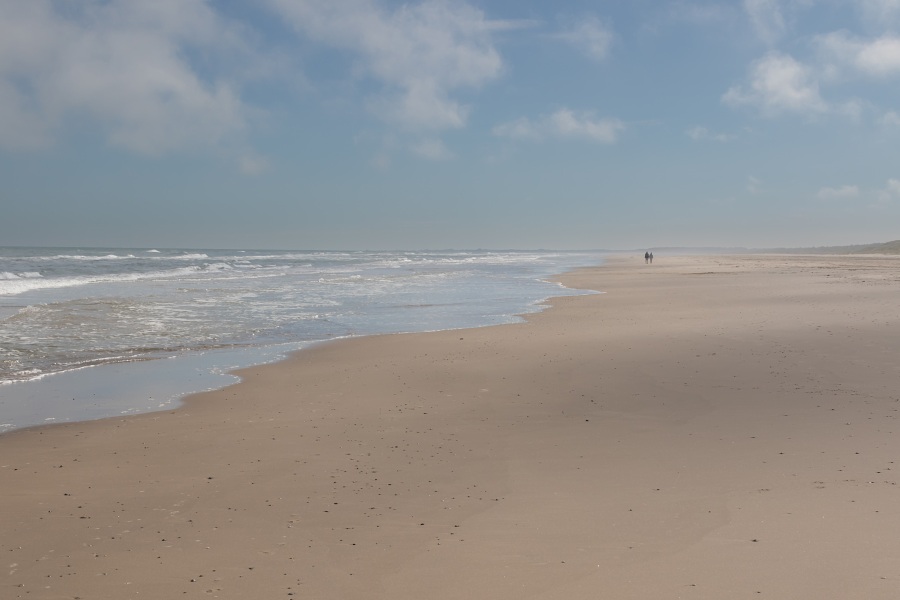
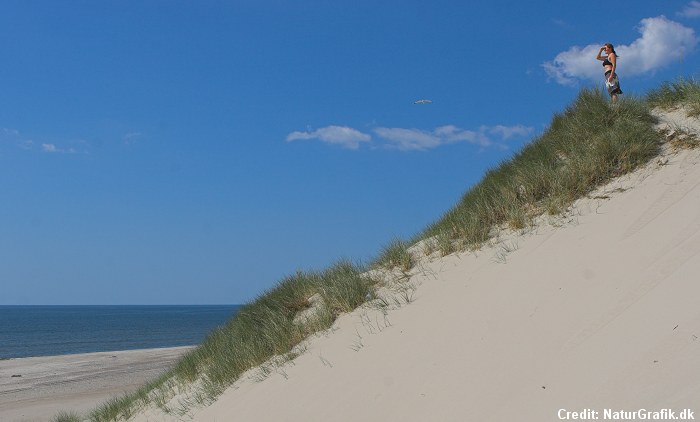
Beach and dunes by the North Sea, Western Jutland, Denmark.
Check the water quality
At the European level, bathing water information is made available to the public through the EEA’s bathing water website.
The beach at Thorupstrand, Northern Jutland, Denmark.
Over the years 80 percent of the original rock reefs along the Danish coast have been removed and used for construction on land. Now new reefs are being recreated.
Previously, there were many more rocks and rock reefs in Danish waters. It sounds crazy, but for centuries the stones have been fished out and used for port construction, coastal protection and other construction work on land.
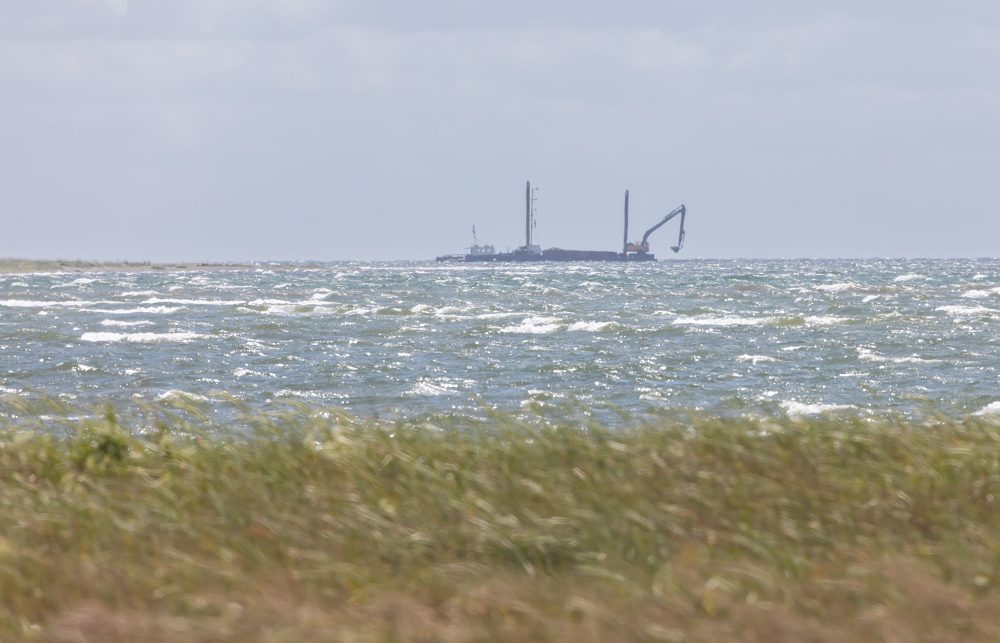
Restoration of the new rock reefs in the Limfjord. The rocks are dumped from a ship. Credit: Niels Lisborg.
Rocks have been a shortage in Denmark since the country does not have mountains or rocky ground (with the exception of the island of Bornholm). Especially the largest rocks and the reefs close to land have been removed because they were easy to get hold of. Over the years, this fate has affected approximately 80 percent of the original rock reefs along the Danish coast.
New recreated reefs to benefit biodiversity
The recreated and new rock reefs will benefit biodiversity, but fishing and outdoor activities will also benefit because the reefs will eventually become important nursery areas for many fish species.
New rock reefs have been built in the Kattegat, but also in many of the inland waters. The Kattegat is a 30,000 km2 (12,000 sq mi) sea area bounded by the peninsula of Jutland in the west.
In the Limfjord – Denmark’s largest fjord, several new reefs have been established and another reef is now being established off the Vejlerne Nature Reserve. The reef will cover the equivalent of 50 football fields in the fjord.
The new reef is part of the Coastal Life project with a total budget of 300 million kroner.
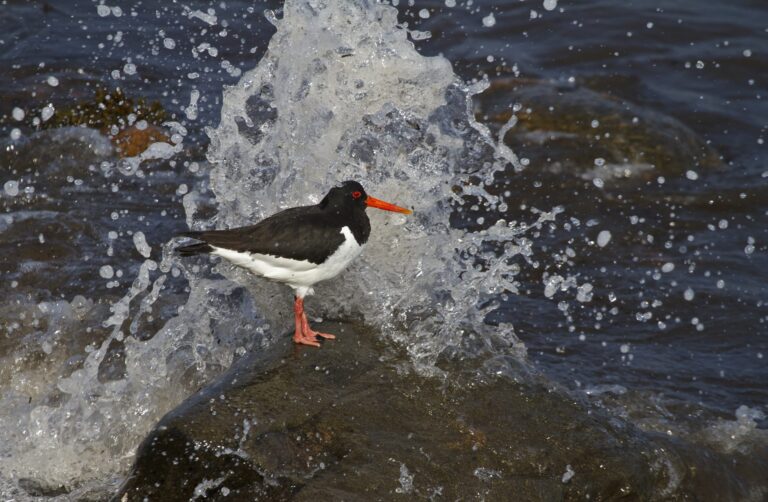
Source: coastal-life.dk, mst.dk, aqua.dtu.dk, wikipedia. Cover image: Oystercatcher on a rock. Credit: Niels Lisborg.
When most people think of Denmark, their minds go straight to Copenhagen’s cozy cafés or colorful harbors. But venture beyond the city limits in spring, and you’ll discover a softer, wilder side of Denmark — one where nature gently shakes off the cold and welcomes the light.
Forests Full of Life
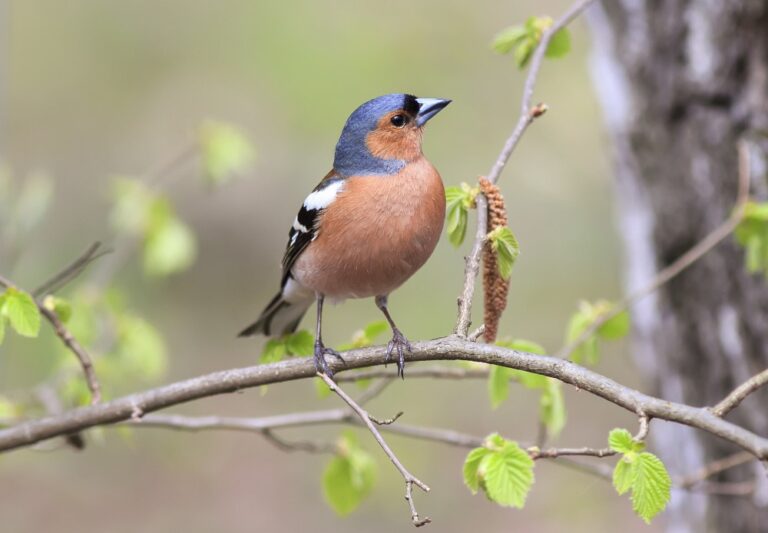
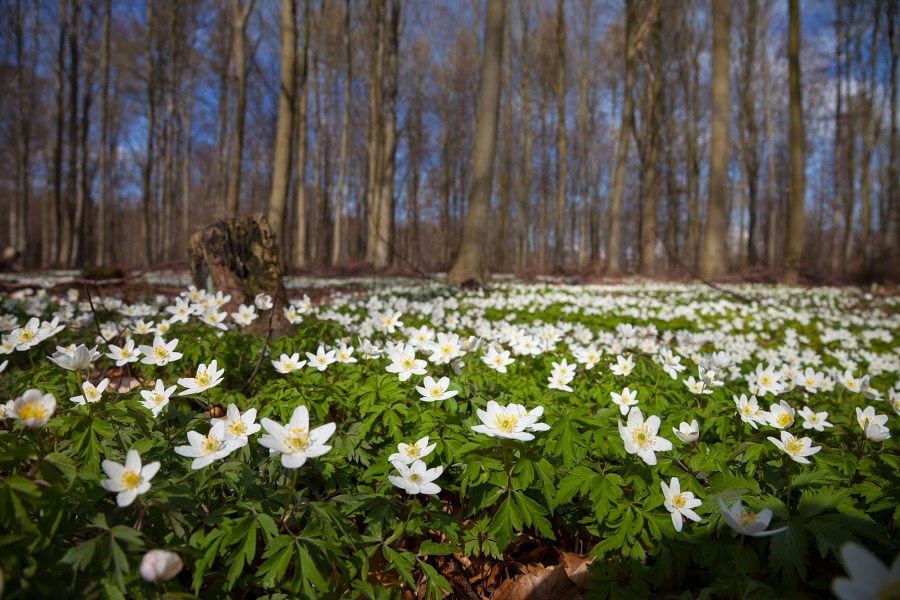
In early spring, Danish forests begin their quiet transformation. Woodlands are sprinkled with delicate white wood anemones, a sure sign that warmer days are here. Listen closely, and you’ll hear the sound of birds returning — robins, blackbirds, song thrushes and chaffinches filling the air with their cheerful songs.
Wood anemone is one of the first spring blooms, arriving to take in the light through the leafless canopy in broadleaf woodland. Credit: Niels Lisborg.
The period for spring in Denmark is from March to May.
The beech forests are especially striking. Their fresh leaves are a vibrant, almost electric green that seem to glow when the sunlight hits them. There’s something magical about walking through these woods while the earth is still damp and the scent of new growth is everywhere.
Coastal Calm and Wildflowers
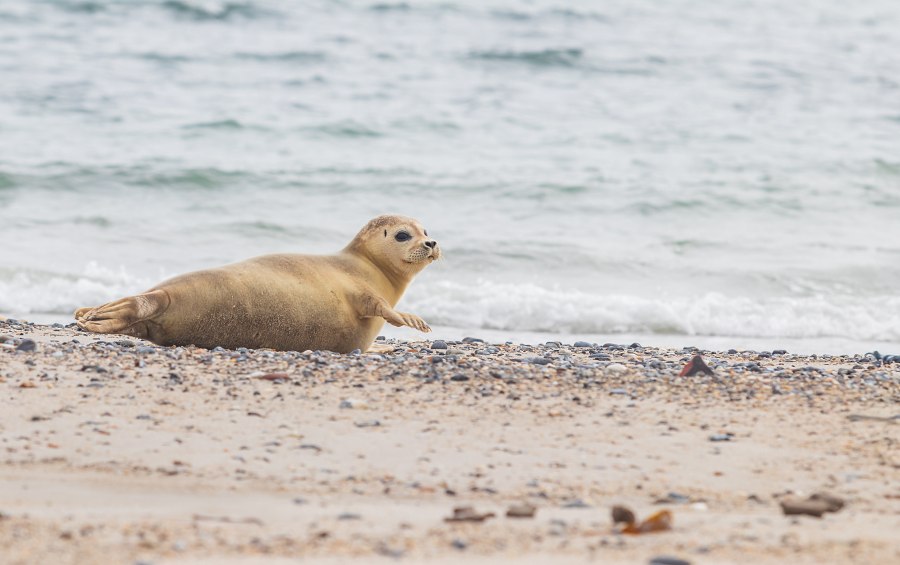
Denmark’s coastline also shines in spring. While the water is still chilly, the beaches are peaceful and beautiful. Coastal paths wind through rolling dunes dotted with early-blooming wildflowers like coltsfoot and scurvy-grass. Seals are often seen basking in the sun, and if you’re lucky, you might even catch a glimpse of porpoises just off the shore.
It can often be foggy in the spring. A seal rests in the shallow water of the fjord. Credit: Niels Lisborg.
Meadows, Marshlands, and Wildlife
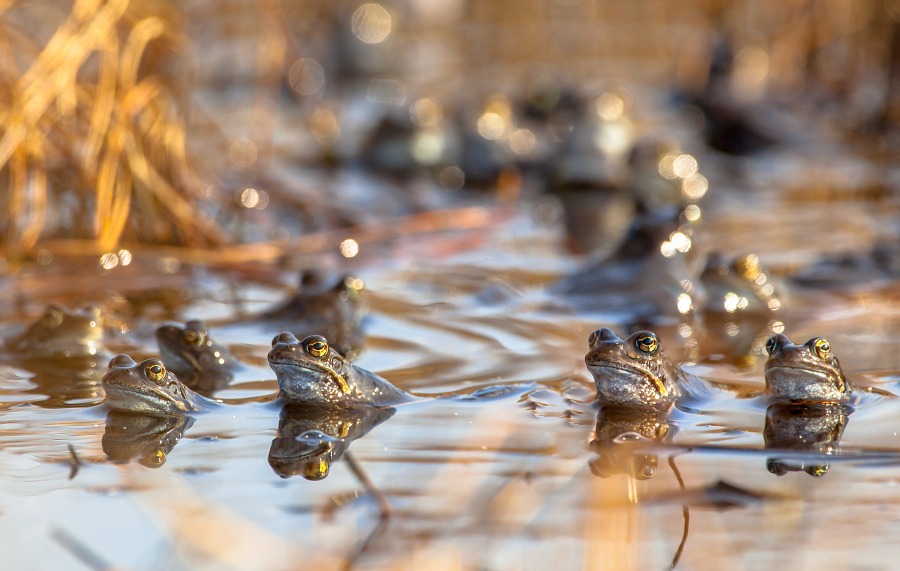
Inland, Denmark’s meadows and marshlands come to life in subtle, beautiful ways. Frogs croak from hidden ponds, and you may spot a heron standing like a statue in the reeds. In some areas, in South Jutland, the storks return from their winter migration and build their nests on rooftops — a classic springtime scene in the Danish countryside.
Wildlife is more visible in spring, with deer, foxes, and hares becoming more active. Even a simple drive through the countryside can reveal a scene straight out of a storybook.
Longer Days, Softer Skies
One of the most enchanting parts of Danish spring? The light. After a long winter, the days grow longer — often stretching until 8 or 9 PM — and the sunsets are pure poetry. The skies fade through soft pinks, purples, and golds, mirrored in lakes and fjords that seem to stand still just for a moment.
The days get longer in spring. The light returns. Credit: Niels Lisborg.
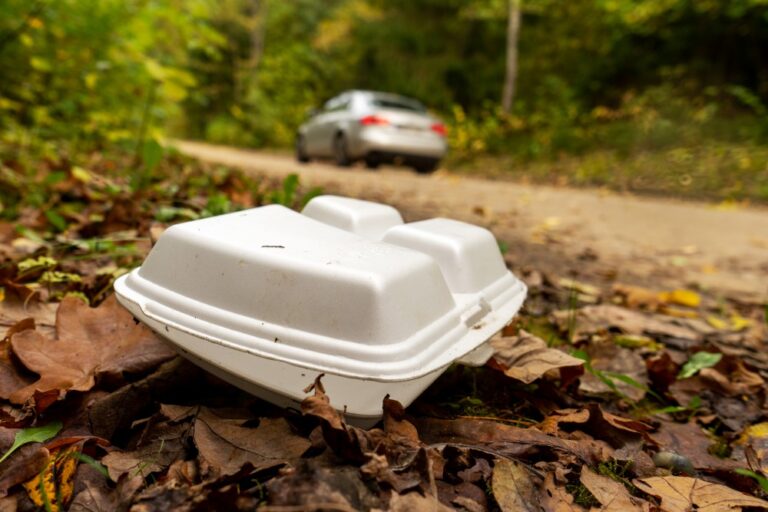
In general, Danish roads are clean compared to other places in Europe. Yet drivers left 800 tons of garbage along the national roads last year. Everything from ice cream wrappers to pizza trays are thrown out of the car window.
At least 20 million kroner is spent annually on collecting garbage from the roads nationwide, says project manager Charles Lykke Hansen from the Danish Road Directorate.
Littering along roads in Denmark—especially with things like plastic, bottles, fast food packaging, and cigarette butts—is a recurring problem.
Highways and major roads often accumulate litter, especially near rest stops, exits, and parking areas. Fast food wrappers and drink cans are some of the most common types of waste found.
Despite Denmark’s clean reputation, littering is still a concern—partly due to carelessness. Danish environmental groups and municipalities regularly organize cleanup campaigns, and there’s a strong volunteer culture around this. By 2025, 130,000 children from schools and daycare centers will have collected litter in nature and contributed to a cleaner Denmark.
Did you know that Denmark is among the EU countries that produce the most household waste per capita? Fortunately, a large part of it is recycled – and that is not the waste we find on the roadside.
According to a survey, 91% of Danes think it is wrong to throw garbage out of the car and onto the road. Still, littering is a recurring problem.
Considerations before taking your dog to the beach
Many people head out to the coast to the country’s beautiful beaches – especially in the summer. Many bring their dogs. Both locals and tourists. The tourism industry would love to welcome your dog to Denmark, but there are important considerations to take into account.
During the summer months, from April to September, dogs must always be on a leash on the beach
There are several considerations to take into account when bringing your dog to the beach. During the summer months, from April to September, dogs must always be on a leash on the beach. There can be many guests on the beach – and not everyone is happy with dogs. Unleashed dogs might approach people, including children or those afraid of dogs, causing fear.
The beach is also a habitat and breeding ground for birds and wildlife
During the summer period, a number of birds breed on the beach. The nests can be difficult to detect – and the birds are easily disturbed. It may be tempting to let your dog run loose early in the morning when there are no others on the beach, but this is not allowed, among other things, out of consideration for the birds and wildlife. Please, show consideration!
When you keep your dog on a leash, you are taking into account others who enjoy nature – both people, other dogs and those who are not so fond of dogs.
From April 1 to September 30, dog owners must keep their dogs on a leash on Danish beaches, according to the Nature Protection Act. Failure to do so could result in a fine of 2,000 kroner (300 USD).
During the winter months, from October to March, dogs are allowed to be loose on the beach
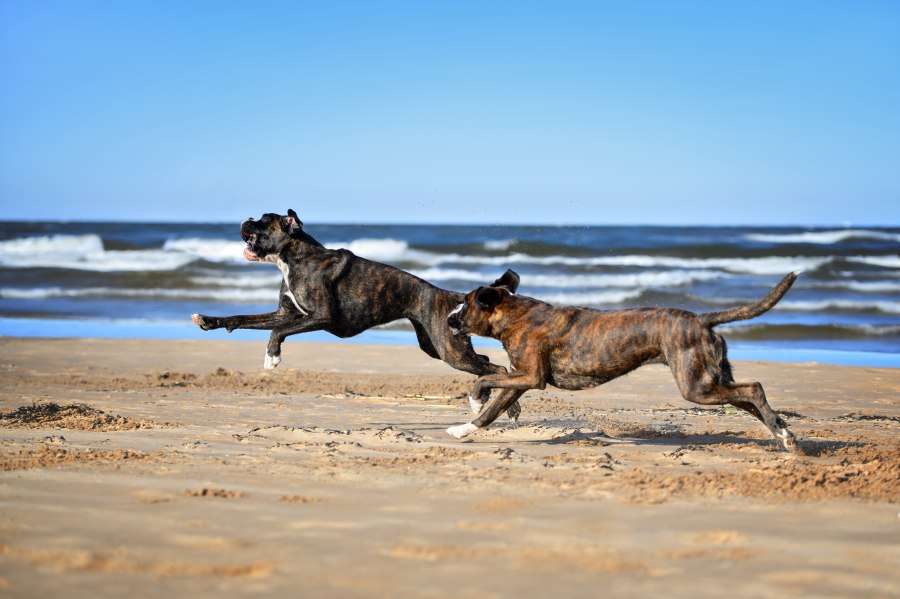
During the winter months, from October to March, dogs are allowed to be loose on the beach, but only if they do not risk causing harm to others. You must always have full control over your dog! Additionally, consider other beachgoers and their comfort. Unleashed dogs might approach people, including children or those afraid of dogs, causing fear. Not everyone loves dogs! Unfortunately, there are thousands of examples of dogs biting children and adults in Denmark every year.
Dogs can be a stress factor for birds and wild animals
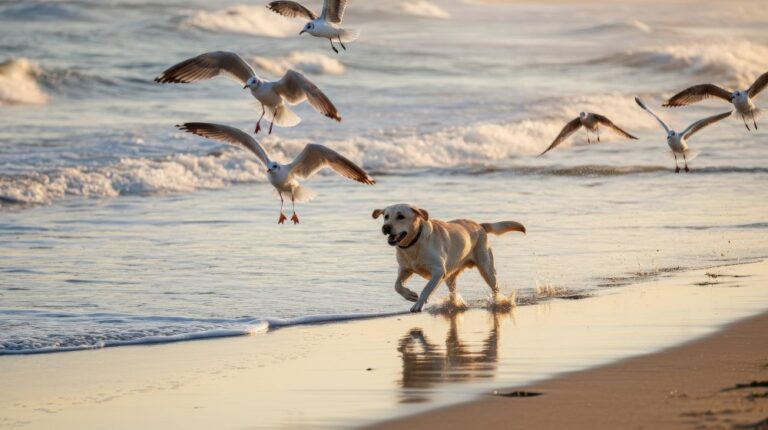
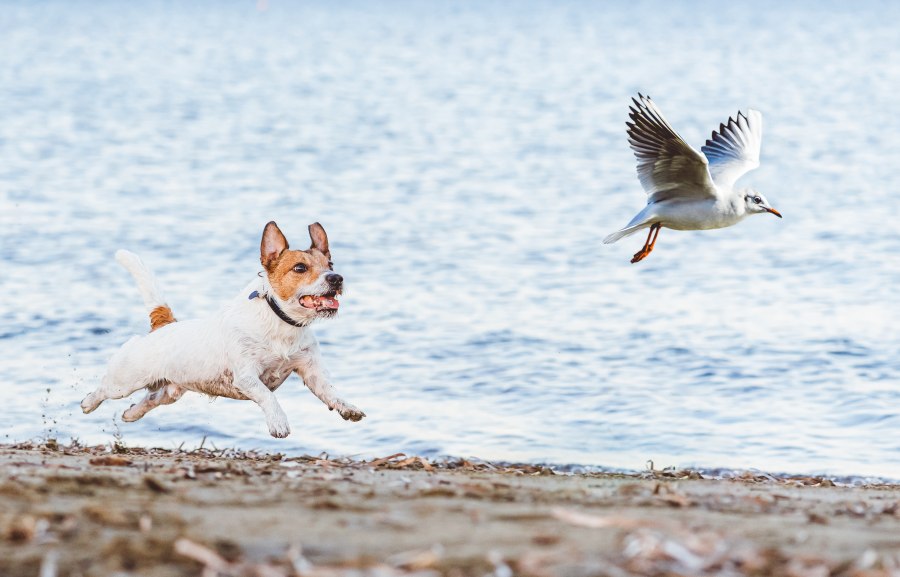
During the winter, spring and autumn, there can be many migratory birds resting on the beach. Although it might be fun for the dog to chase the birds, it can be a great stress for the migrating birds.
According to the Nature Conservation Act, dogs must always be on a leash in nature areas like forests, wetlands, heathlands, etc.
Worth knowing: Proclamation of the Danish Dog Act (Hundeloven)
The owner of a dog must ensure that the dog, from the age of 4 months, wears a collar equipped with a sign indicating the owner’s name and address. In cities and urban areas, it is prohibited to allow dogs to roam on streets, roads, paths or squares, etc., that are open to general traffic, without the dog either being kept on a leash or being accompanied next to a person who has full control over the dog. It is prohibited to let a dog roam on private land that the owner of the dog does not have the right to use. The landowner or the person who has the right to use the private land may take or remove the dog from the land. If a dog disturbs the peace of the residents by repeated or persistent barking or hooting, and a complaint is made about this to the police, this gives the owner orders to keep the dog indoors or, if this measure does not help, or the dog is already kept indoors, to have it removed.
Your dog is welcome but please show consideration to your surroundings – both other visitors, nature and wildlife.
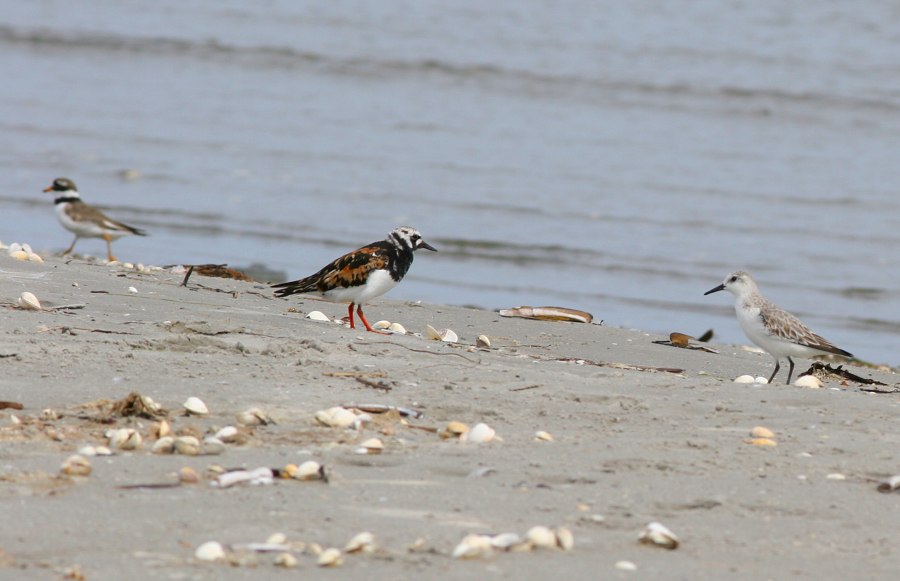
Denmark’s long coastline is important for many migratory birds. They use the Danish coasts both as guide lines and for resting and foraging during migration. Credit: Niels Lisborg.