



Across Denmark, winter swimming has become a ritual of cold water, quiet courage and an intense connection with the natural world
The wooden jetty is silver with frost. Beneath it, the water moves slowly in the half-light, dark as slate, while a pale winter sun hangs just above the horizon. My breath forms small clouds as I leave my clothes in a neat pile and walk towards the ladder.
Every part of me knows what is coming.
The first step into the water stings. By the second, the cold has climbed into my legs. Then I lower myself into the water, and the body takes over. A sharp inhalation, a racing pulse, the immediate need to control my breathing. For a few seconds, there is no room for yesterday, tomorrow or the endless noise of everyday life. There is only water, air and the decision to remain calm.
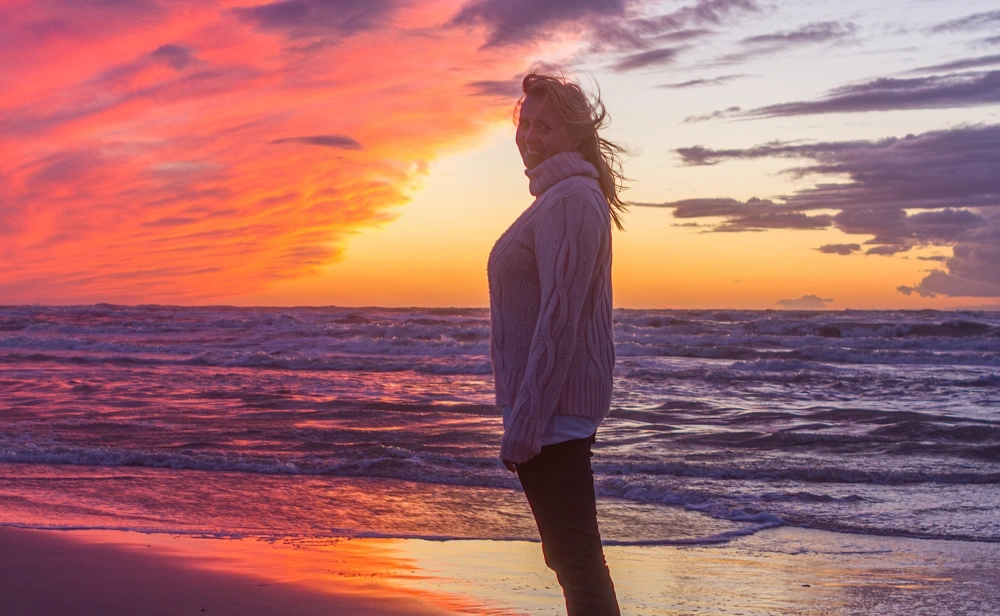
The wind meets my wet skin, but beneath the cold something else is already spreading: a bright, fizzing sense of happiness. My skin glows. My thoughts feel clear. The landscape appears sharper than before, as though the cold has polished the entire morning.
This is winter swimming in Denmark.
A Nordic ritual, Danish style
Across the Nordic countries, winter swimming has long been a ritual of cold water, quiet courage and an intense connection with the natural world.
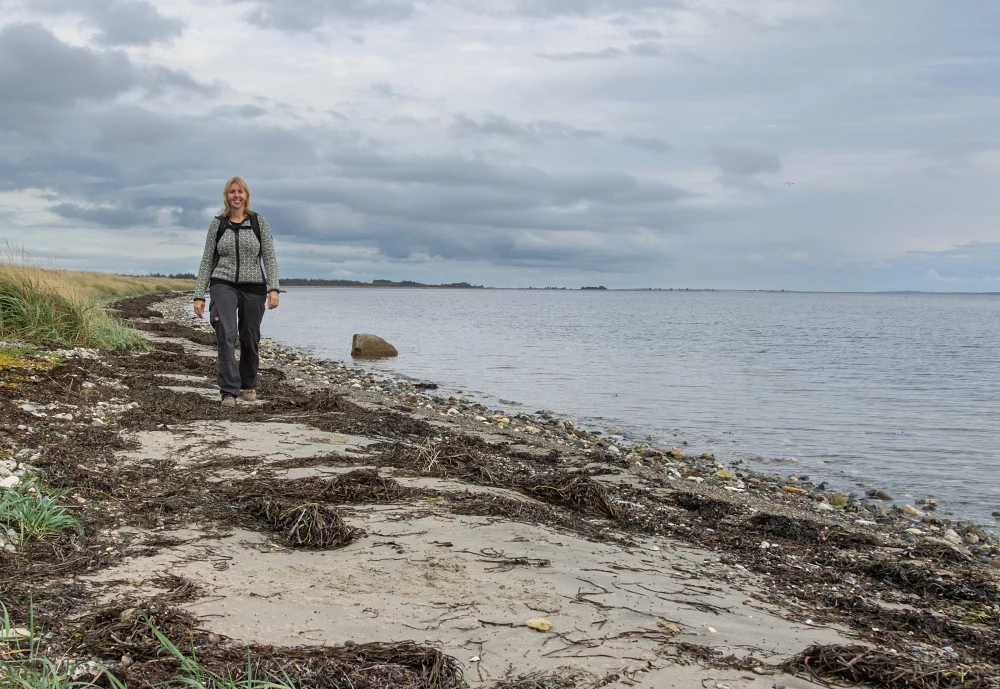
In Denmark, winter swimming – vinterbadning in Danish, has grown into an increasingly popular way of meeting the dark season.
On winter mornings, small figures in woollen hats and bathrobes can be seen gathering at harbour baths, beaches, lakes and wooden bathing jetties. Some belong to established clubs with changing rooms and saunas. Others simply meet a friend at the water and bring a thermos flask of hot tea.
For many Danes, winter swimming has a strong social dimension. There is a special fellowship among winter swimmers: the shared hesitation at the edge, the laughter after the dip and the familiar question, “Are we going in again?”
For me, however, the experience is often solitary. I usually swim alone or with my husband. Although I understand the appeal of the community surrounding winter swimming, it is not primarily the social aspect I seek. I return for the rush of happiness afterwards, the quiet victory of overcoming my own resistance, and the intense connection with nature. Each descent into the cold water is a private encounter between body, will and the elements.
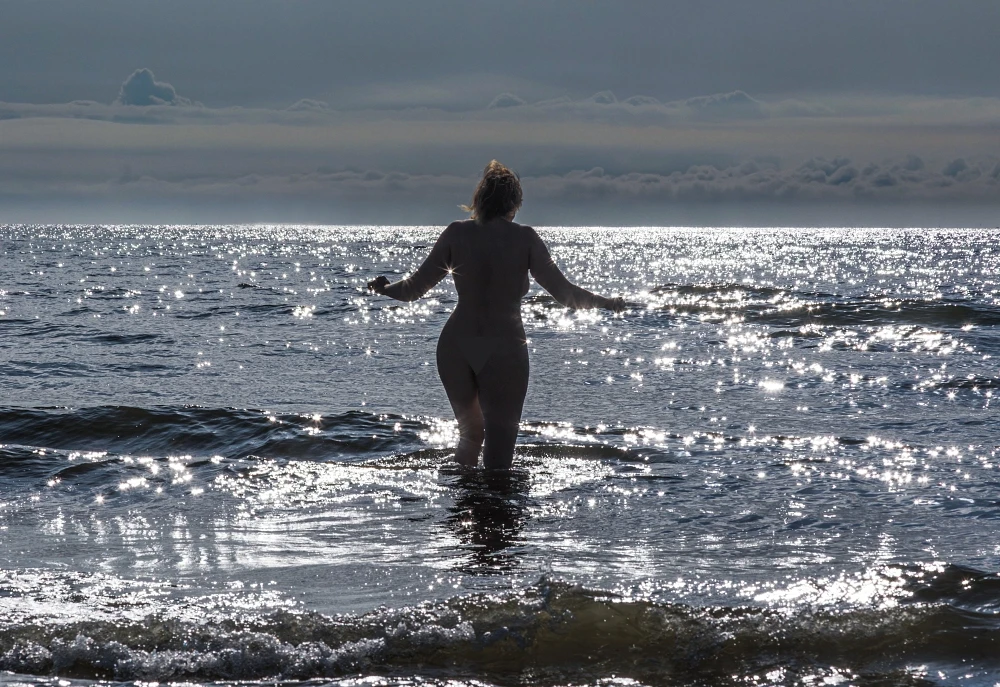
Standing at the beach on a freezing morning, the body offers many excellent reasons to turn around. Going in requires a small act of defiance. Not against nature, but against the instinct to retreat from discomfort. You cannot negotiate with cold water. You can only breathe, descend and discover that you are capable of doing something you did not want to do.
That feeling stays with you long after your skin is dry.
Skin, water and vulnerability
Many Danish winter swimmers bathe naked. There is a practical reason: wet swimwear clings to the body, holds cold water against the skin and becomes particularly unpleasant in the wind. Without it, there is no need to struggle out of a cold, dripping swimsuit with numb fingers. Instead, you can step straight from the water into the embrace of a dry towel, and then slip quickly into a warm bathrobe. It is simpler, faster and far more comfortable when every second in the winter air counts.
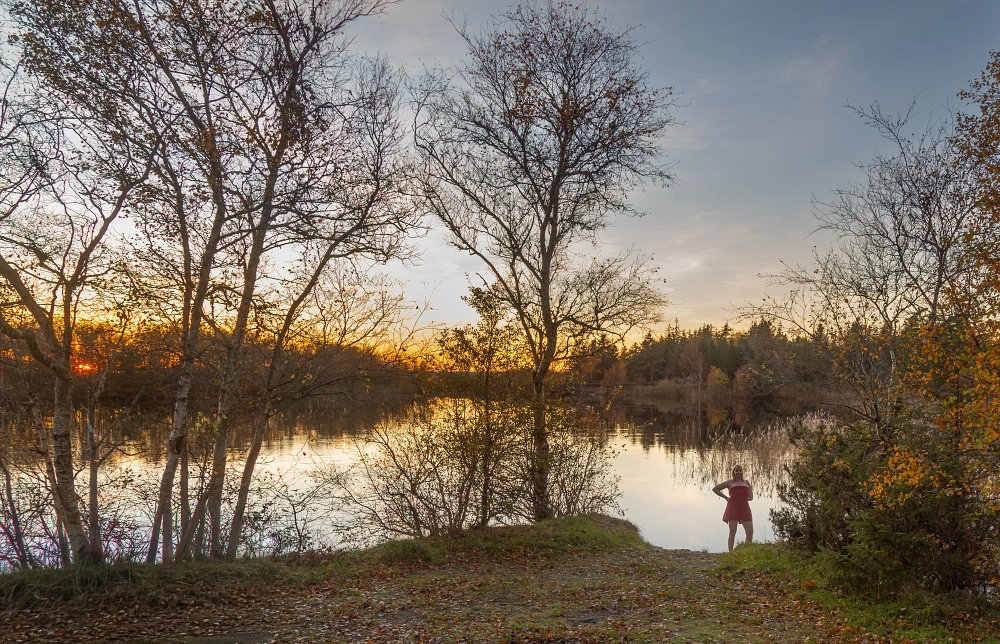
But swimming naked is not merely practical. With nothing between skin and water, the encounter with the elements feels unusually direct. The water touches the whole body at once. The experience is raw, simple and intensely real.
I also prefer to swim naked, although usually at quiet times and in natural places where few, if any, people are around. As a woman, stepping unclothed onto an exposed bathing jetty can feel vulnerable. I sometimes resent my own modesty because it stands between me and something that otherwise feels liberating.
Yet I know I am not alone in that hesitation.
Denmark retains a reputation as a liberal country, and nudity itself is generally not considered scandalous. Being naked in nature or on a beach is legal, provided you are not behaving offensively or causing a public disturbance. In my experience, Danes rarely condemn people who are comfortable enough to bathe naked. They may even admire their ease.
Still, fewer people appear willing to do it themselves.
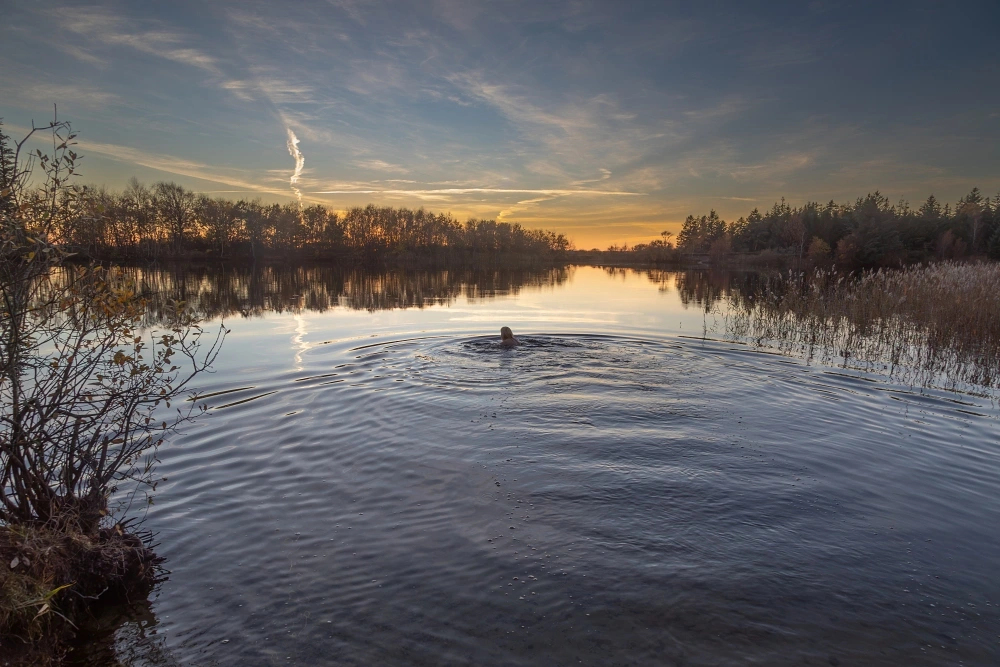
Over recent decades, we seem to have become more self-conscious about the body. Young people in particular encounter a relentless stream of polished images and supposedly perfect physiques that few human beings could ever match. Denmark has also become more culturally diverse, bringing different traditions and attitudes towards skin, modesty and public nudity. In some cultures, exposing the body is regarded as deeply inappropriate or even sinful.
That does not necessarily mean that Denmark has lost its open-mindedness. The change may be less about judging other people and more about judging ourselves. We remain tolerant of the naked body in principle, while becoming less comfortable with our own bodies in practice.
At the winter water, that contradiction becomes visible. We may long for the freedom of leaving everything behind, yet still glance along the jetty before dropping the towel.
Shaped by the sea
Denmark is a country shaped by the sea. No place is very far from the coast, and water is woven into Danish geography, history and imagination. In summer, the sea is sociable. Children, ice cream, striped towels and bicycles leaning against the dunes. In winter, it becomes something else. The beaches empty. The colours fade.
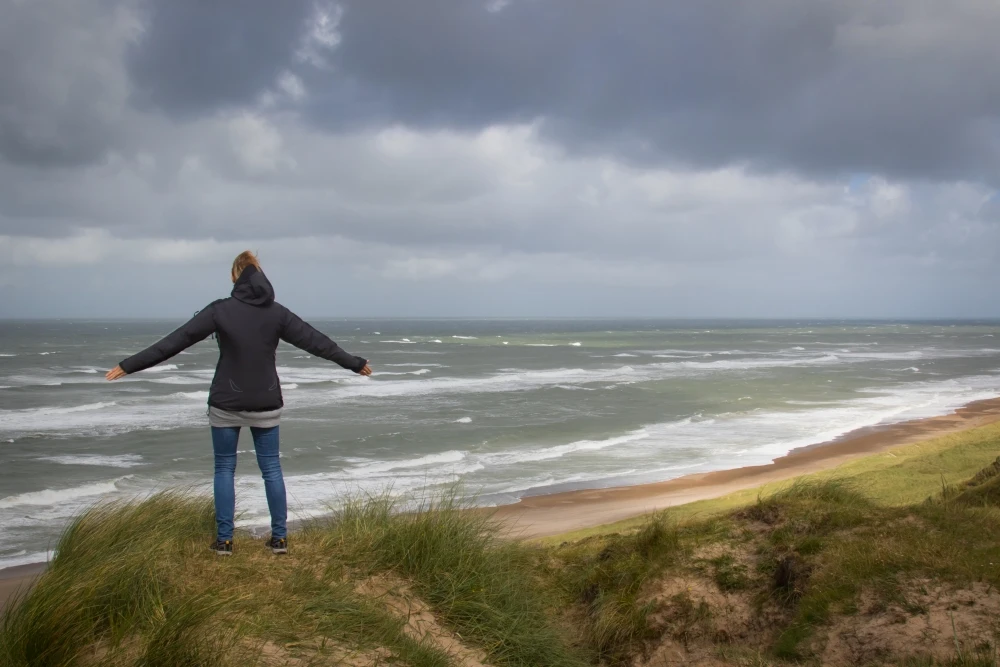
Yet my own favourite places are quieter. I prefer the still waters of a fjord or one of the peaceful lakes close to where I live. My family has a small summer house beside the forest, with a little lake just outside. Here, especially in winter, I can feel almost alone in the world.
Here I can step into the cold lake surrounded by forest and silence, knowing that I am never far from the warmth of the house – its wood-burning stove glowing behind the windows, or the enveloping heat of the sauna.
It is a deeply comforting contrast: the wild shock of the lake followed by fire, warmth and shelter.
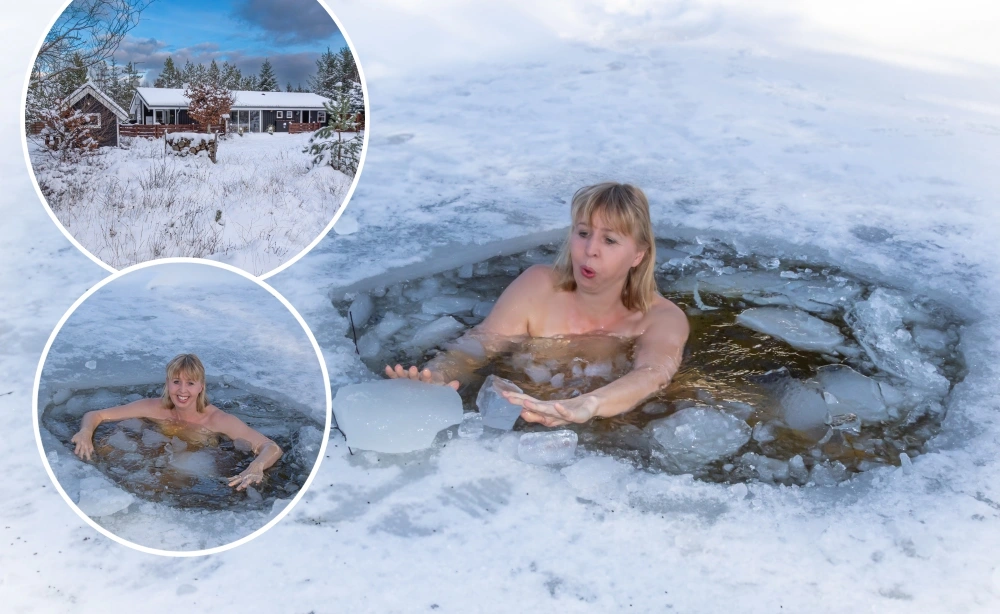
What does winter swimming do to the body?
Cold water produces an immediate physical stress response. Breathing accelerates, blood vessels near the skin constrict, and the heart works harder. The body’s alarm systems activate, which helps explain the powerful rush many swimmers experience after leaving the water.
Regular winter swimmers often describe improved mood, increased energy, better tolerance of cold and a strong sense of well-being. Some research has suggested possible benefits involving stress, circulation and metabolic or immune responses, but the scientific evidence is still developing. Winter swimming should not be presented as a cure or as a guaranteed route to better health.
My own evidence is subjective but persuasive to me: when I swim once or twice a week, I feel better, and I seem to freeze less easily. More than anything, it creates a point of clarity in the week – a moment when mind, body and season meet.
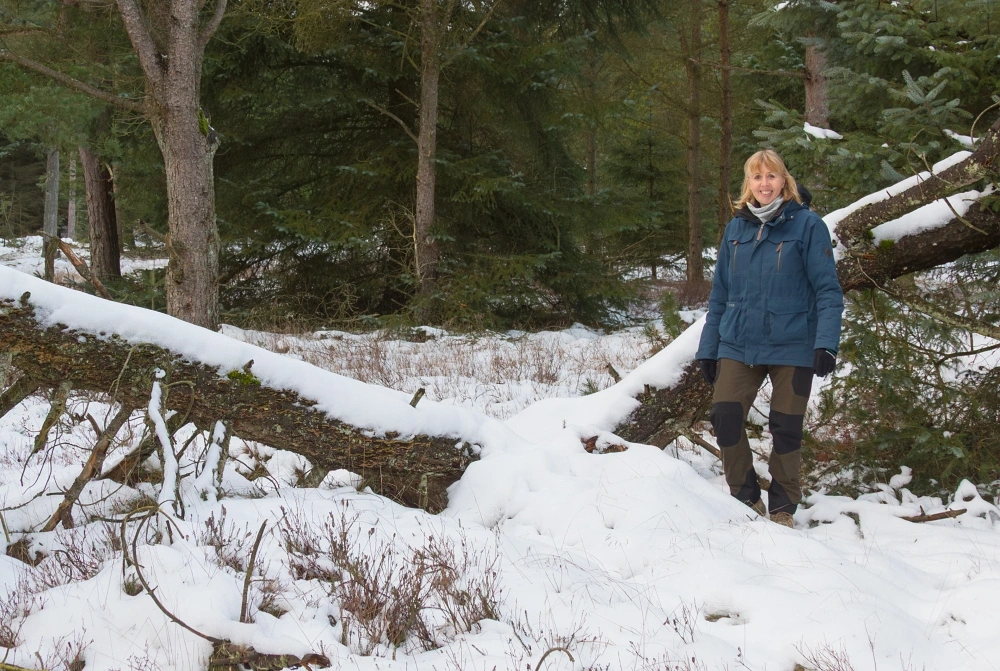
Cold water also carries real risks, including cold shock, dizziness, loss of coordination and hypothermia. Anyone with cardiovascular or respiratory problems, or another relevant health condition, should seek medical advice before beginning.
How to begin?
A first winter swim does not need to be heroic. In fact, it should not be. The aim is to create a positive experience and become familiar with the body’s reaction to cold water.
- Begin gradually. Start swimming in late summer or autumn and continue as the water cools. This allows the body and mind to adjust over time.
- Never go alone. Bring an experienced friend or join one of Denmark’s many winter-swimming clubs. Cold can cause dizziness and impair judgement surprisingly quickly.
- Choose a safe place. Use a familiar bathing spot with a secure ladder, an easy exit and no dangerous current, heavy surf or unstable ice.
- Enter calmly. Do not dive or jump into very cold water. Descend slowly, keep your face above the surface at first and concentrate on steady breathing.
- Keep the first dip brief. A few seconds may be enough. Many swimmers remain in the water for only around 20 to 40 seconds, and there is no prize for staying longer.
- Prepare your exit in advance. Lay out a large towel, loose warm clothes, socks, shoes, a hat and perhaps a bathrobe in the order you will need them.
- Warm up gently. Dry yourself, dress immediately and have a warm drink. Avoid trying to prove anything by remaining outside in wet clothing.
- Listen to your body. Leave the water before you feel you have reached your limit. Do not swim when ill, exhausted or affected by alcohol.
Neoprene shoes can protect the feet and improve grip on slippery ladders or stones. A woollen hat may also be comfortable, particularly if you keep your head above water. Keeping the hair dry makes it easier to become warm afterwards.
It is worth correcting a persistent myth: the body does not automatically lose a special or disproportionate amount of heat through the head. Heat loss depends mainly on how much exposed surface area there is and how well that area is insulated. An uncovered head can, of course, lose heat in cold weather – just as any uncovered part of the body can – so wearing a hat may still be sensible. The claim that most body heat inevitably escapes through the head, however, is misleading.
The courage to step in
The hardest part of winter swimming is often not the cold itself. It is the moment before the cold. Standing at the water’s edge while the mind argues with the body.
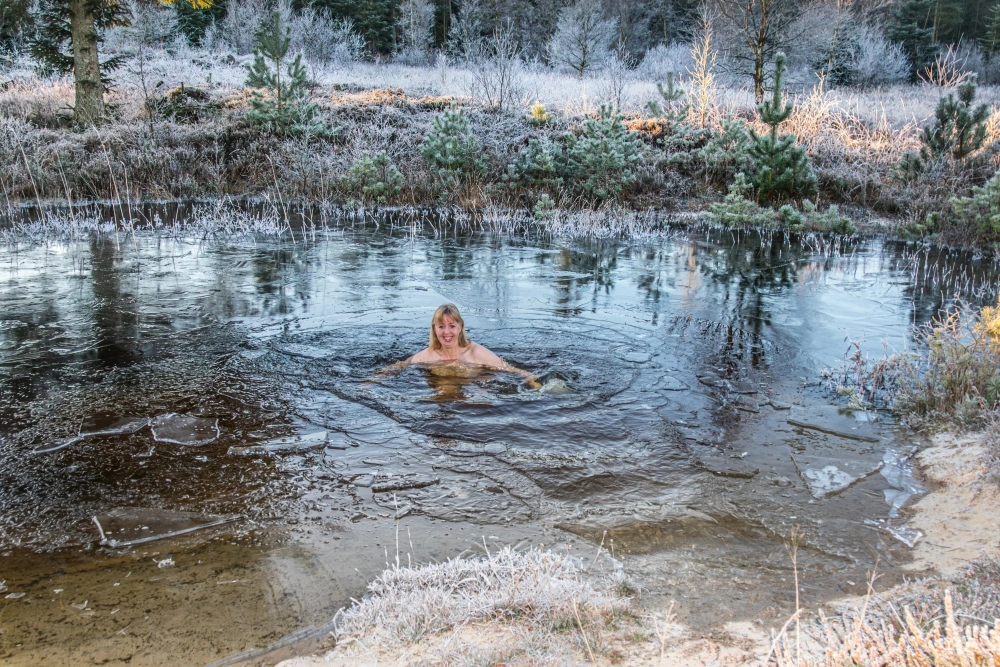
The water closes around the legs, the waist and the chest. Breath becomes something deliberate. The world contracts to a few brilliant seconds of cold, and then expands again as I climb out beneath the winter sky.
I reach for the towel with unsteady hands and wrap myself in its dry embrace, followed quickly by the warmth of my bathrobe. Soon, the stove will crackle or the sauna door will close behind me.
But first there is this moment: the happiness, the relief and the surprising quiet inside the mind.