


Home Blog Page 5

Travelling by campervan in Denmark

0

Denmark is a great place to enjoy a campervan (motorhome) holiday. The roads are well maintained and the countryside is clean and safe.

It has become popular – also among Danes, to go on holiday in a motorhome – in Denmark called “autocamper”.

Parking with you campervan /motorhome

You can normally always pull into a roadside layby (rasteplads in Danish) if you need a rest or break.

Campervans may park in all parking spaces for as long as the campervan can stay inside the parking lot lines. Campervans/motorhomes that are too large to park in regular parking spaces should use special marked parking spaces.

Sleeping in campers

Sleeping and resting in campers at a roadside layby is tolerated for one night, as long as you don’t put up a tent or awning, table and chairs. This will be considered camping which normally is prohibited at rest areas. A few laybys are out of bounds for camper sleeping – please, look out for signs warning against overnight parking. Notice that camping is not the same as resting (sleeping) in your car.
Driving off road into public nature areas or down to the beach to sleep for the night is not legal. Please instead use one of the many campsites. In Denmark, there are many campsites with campervan (motorhome) sites with all the required facilities. See the guide and addresses here: Download (pdf)

Driving by car on paths and small roads in the public state forests is normally prohibited. Please respect the signs.
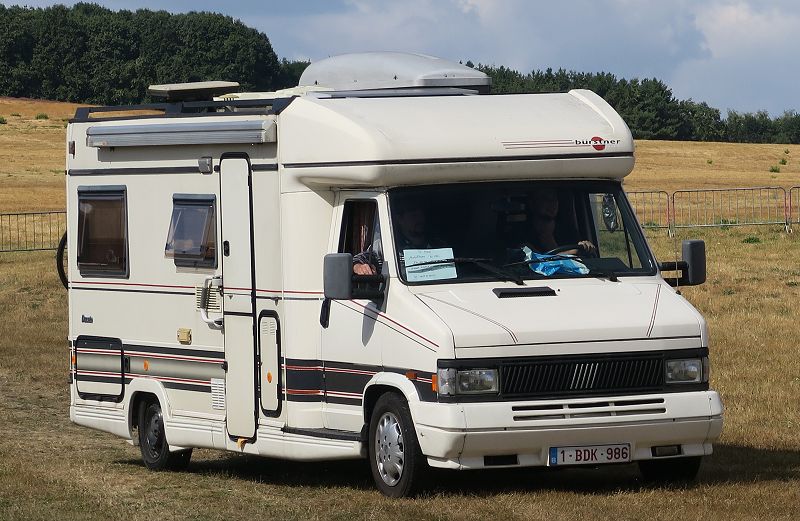
Explore Denmark with a motorhome. Credit: Charles, (CC BY-SA 4.0), Wikipedia.

Guide for motorhomes

In private areas you can ask the owner (for example, the local farmer) for permission to park your car for the night. You can also buy the Pintrip Guide. The guidebook is exclusively for people who have a motorhome. The more than 245 hosts (season 2020) altogether have more than 620 stops, where you can enjoy the nature and some peace and quiet in wonderful, rural surroundings.

Notice:

Denmark has very strict rules against Drinking and Driving. The legal driving limit is 0.05% BrAC (Breath alcohol concentration). The use of seatbelts is mandatory for all passengers within a vehicle.

Speed limits in Denmark are normally as follows:

50 kph/31 mph in towns and cities,
80 kph/49 mph on open roads in the countryside,
130 kph/81 mph on motorways (some places only 110 kph)

Learn more about Driving in Denmark.

Source: routesnorth.com, fdm.dk.

The use of solar energy is increasing significantly in Denmark

0

Solar energy is an element in the Danish green strategy of making the future energy supply based on renewable energy.

Despite Denmark’s geographical location in Scandinavia, Northern Europe with dark winters and not always that sunny summers, the use of solar energy is increasing across the country. The use of solar energy is one element in the green Danish strategy adapted by the Danish Parliament.
A broad political commitment will assure that 35 per cent of the Danish energy supply will be based on renewables by 2020, making it ambitious 100 per cent by 2050.

In Denmark solar power is used in two different ways: Solar panels, which are used to heat up buildings and to produce district heating, and solar cells, which are used to produce electricity. 

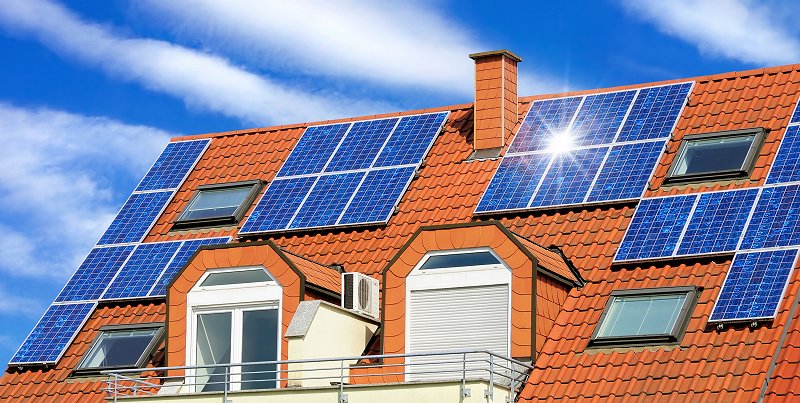
Private households and public institutions have the possibility of “storing” surplus production in the public grid, which makes solar panels attractive. Credit: Smileus, Dreamstime.com.

Private households and public institutions have the possibility of “storing” surplus production in the public grid, which makes solar panels attractive. In addition the costs of solar panels has dropped significantly in recent years.

New huge solar park will be the largest in the Nordic region

In early 2020, construction of a new large solar cell area will begin at the abandoned Vandel airfield, which will be able to generate enough electricity to cover approximately 34,000 households’ total electricity consumption. The new solar park will be the largest in the Nordic region.

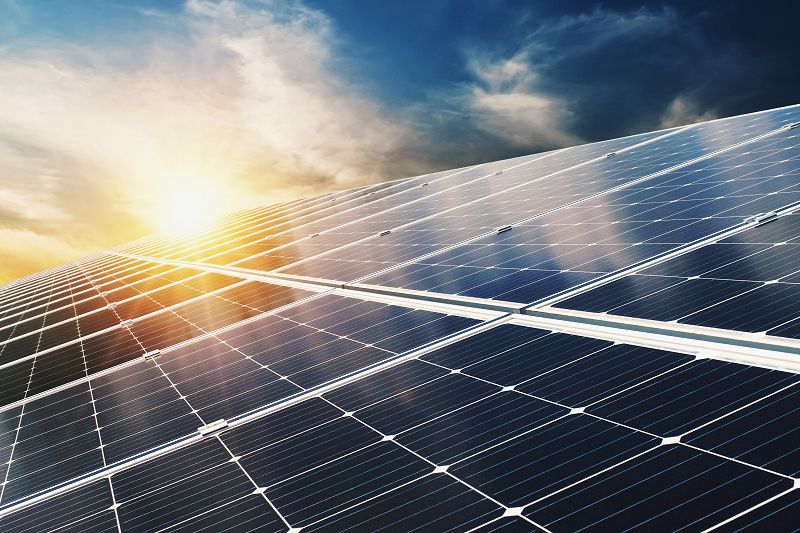
Solar power can contribute to make Denmark independent of fossil fuels by 2050. Credit: Lovelyday, Dreamstime.com.

Source: Ministry of Foreign Affairs of Denmark, tvsyd.dk, Danish Energy Agency/ens.dk.

Drinking tap water?

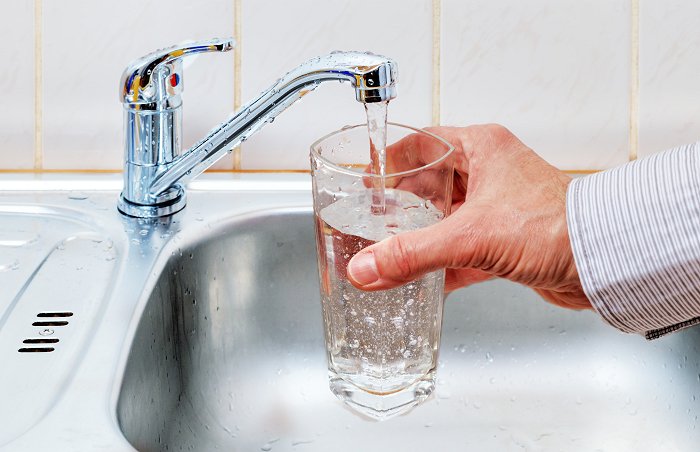
In Denmark people take their drinking water for granted. Danes don’t think twice before grabbing a glass and sticking it underneath a tap. However, for many tourists it will seem completely unnatural to put the glass under the tap. For many visitors drinking water is something you buy in the supermarket.

Quality of drinking water in Denmark?
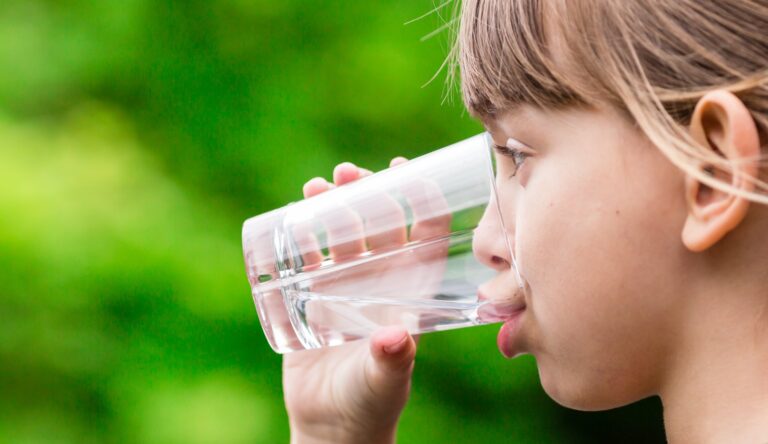
As a visitor or tourist in Denmark you can safely drink tap water. Credit: Luchschen, Dreamstime.com. 

The water suppliers are obligated to monitor the quality of the drinking water

In Denmark approximately 99% of the drinking water supply is based on groundwater. The water is drawn from aquifers located below the Danish subsoil and is so clean that it is not necessary to add chlorine to purify it.

In the recent years groundwater surveillance tests have found that drinking water in some areas of Denmark are contaminated with pesticides. About 30 wells are annually being closed by the authorities due to pollution problems. The municipal council must inform consumers if the drinking water does not meet the quality requirements. The water suppliers are obligated to monitor the quality of the drinking water and secure surveillance tests continuously.
To protect the ground water ressources some Danish water companies plants trees in the areas where ground water is extracted, in partnership with the Danish Nature Agency. Agreements are also entered with local farmers who undertake to cultivate their fields in an environmentally friendly way.

You can safely drink tap water.

The Danish drinking water supply is based entirely on groundwater and the Danish government’s official position is that drinking water should be based on pure groundwater which only needs simple treatment with aeration, pH adjustment and filtration before it is distributed to the consumers. A protected groundwater resource free of contaminants and attractive to drink is considered essential to the general health of the entire population.
As a visitor or tourist in Denmark you can safely drink tap water.

Source: eng.ecoinnovation.dk, danishwaterforum.dk, mst.dk. Featured image: Bigandt, Dreamstime.com.

What’s up with Danish forest kindergartens?

0

A Danish kindergarten system including natural environments and opportunities for young children to develop and learn outdoors.


It seems that children spending time outdoors have better concentration and are more ready to learn. Credit: Graphicstock.

Danish Forest kindergartens are becoming more and more popular and have for many years been culturally accepted in Denmark, where they originated in the 1950s. There are now over 500 forest kindergartens in Denmark.

A recent study on children’s everyday lives from Roskilde University (RUC) shows that kindergarten children as young as 3 years old connects shrubs, flowers and grass with “feeling good”.
Research indicates that children with access to daily outdoor life and green areas are more physically active, move more freely – and are less ill. It seems that children spending time outdoors have better concentration and are more ready to learn (also in the classroom). Besides they are much better socially and are more creative and innovative.
Children in forest kindergartens are often allowed to use real tools, real knives, real saws and climb trees.

Read more about Danish Forest Schools.

See the report from Australian SBS below:

Utilisation of fossil fuel fell by over 25 percent in one year

0

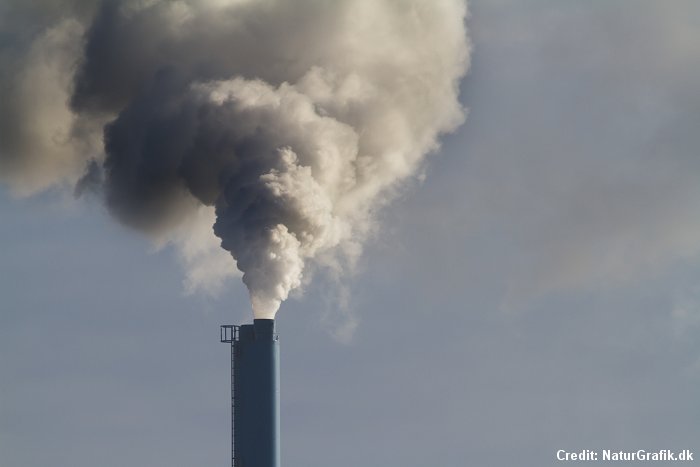
The Danish coal consumption fell by 25.5 percent from 2016 to 2017.

Towards green energy: Danish consumption of coal has fallen by 81.4 percent since 1994, while oil consumption has declined by 89.5 percent.
New figures from the Danish Energy Agency reveal that Danish coal consumption fell by 25.5 percent from 2016 to 2017, while the utilisation of sustainable sources rose by 11.4 percent over the same period.

The Danish government has set a clear milestone in the country’s energy policy with their goal of phasing out coal from the electricity supply by 2030.

Source: ceicdata.com, cphpost.dk, stateofgreen.com

Denmark among the safest countries in the world

0

Is Denmark One of the Safest Countries for Travelers?

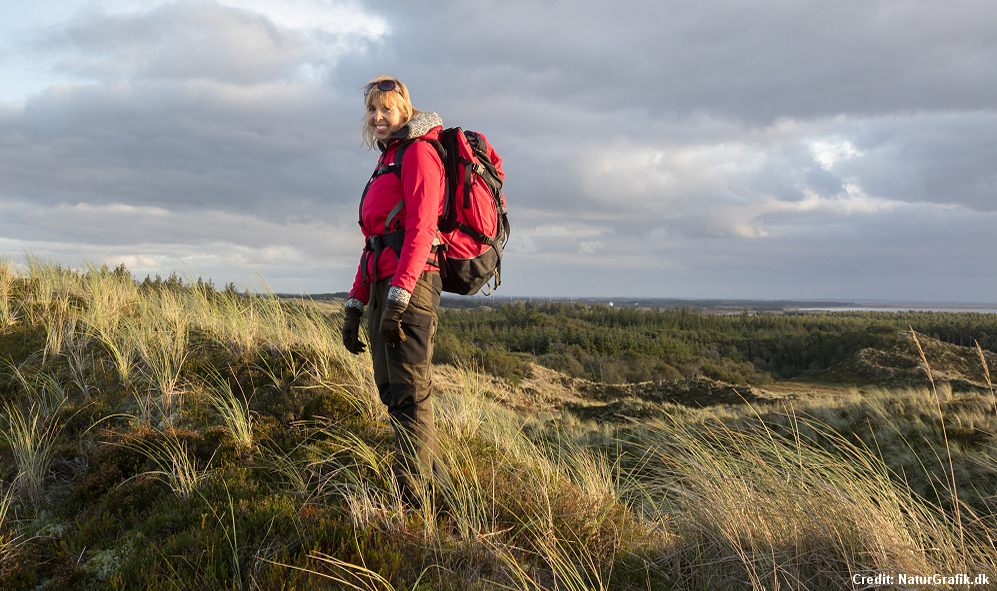
Hiking, Northern Jutland, Denmark. Denmark is one of the safest countries in the world for travellers.

When it comes to travel safety, Denmark consistently ranks among the top countries in the world – according to International SOS and the latest Travel Risk Map.
In fact, according to the 2025 HelloSafe Travel Safety Index, Denmark is the third safest destination globally, thanks to its low crime rates, political stability, and strong social systems.

For most visitors, violent crime is almost unheard of. The main risks are limited to petty theft, particularly in busy tourist areas like Copenhagen’s Nyhavn or main train stations. Common sense precautions—such as keeping valuables secure and staying alert in crowded places—are usually enough to avoid problems.

Another factor contributing to Denmark’s safety is its efficient infrastructure. Public transportation is reliable and secure, healthcare is excellent, and English is widely spoken, which helps travelers feel at ease.

Like other European nations, Denmark maintains a low but present terrorism risk and occasionally experiences isolated gang-related incidents, but these rarely affect tourists directly.

Overall, Denmark offers a combination of peace of mind and cultural richness, making it one of the best choices for travelers seeking a worry-free European trip.

Source: inews.co.uk, internationalsos.com, Travel Risk Map, Traveldailynews.com.

Winter Vikings

0

Winter Vikings

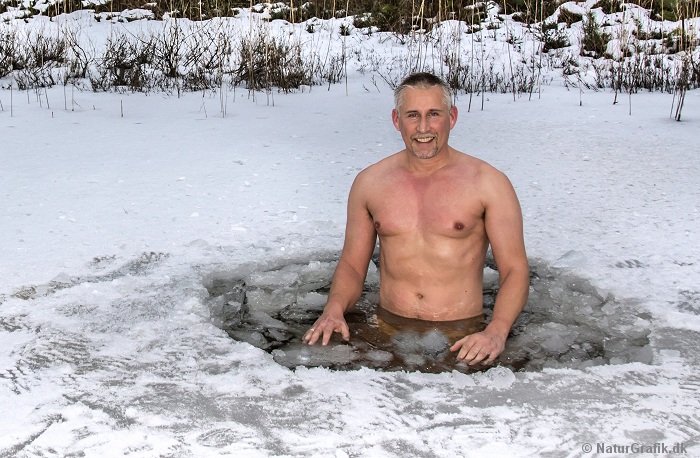
Thousands of Danish “Vikings” take a dip in freezing water during the wintertime.

Visitors to Denmark are often surprised to learn that Danes leave their infants outside to sleep in the cold Nordic air. But it takes living here a little while to discover another peculiarity about Danes’ fondness for the cold.
Thousands of Danes swim in the sea or lakes during the winter, and swim even when the water is frozen over and icy. In Denmark, the winter swimmers are nicknamed “Vikings”.
It is becoming more and more popular for people in Denmark to take a dip in freezing water during the wintertime.
Many vikings argue that cold water swimming improves their mental and physical health.
Read more at BBC.com.

Source: cphpost.dk.

Jellyfish along the Danish shores

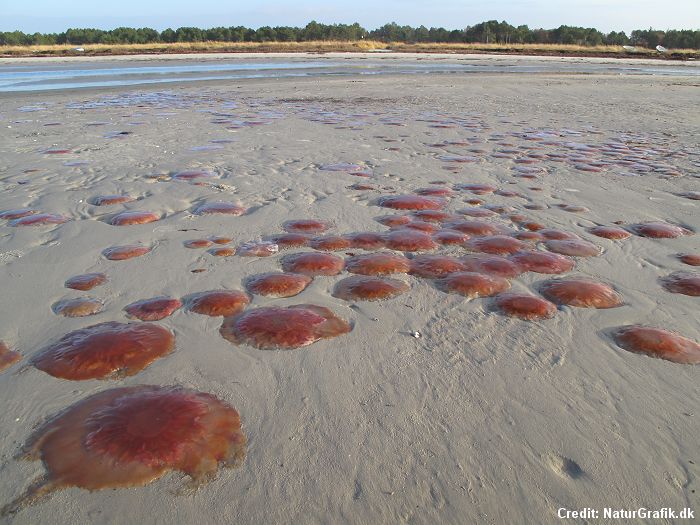
Lion's mane jellyfish
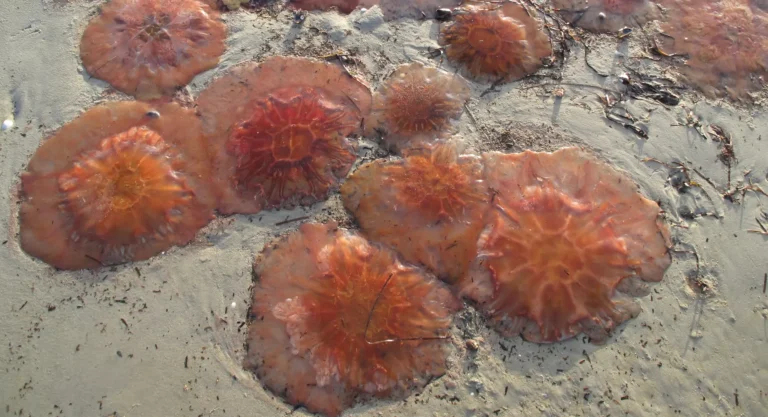
Lion’s mane jellyfish (Cyanea capillata) are named for their showy, trailing tentacles reminiscent of a lion’s mane. Credit: Niels Lisborg.

In Denmark we only have a few species of jellyfish which are able to sting you noticeably.

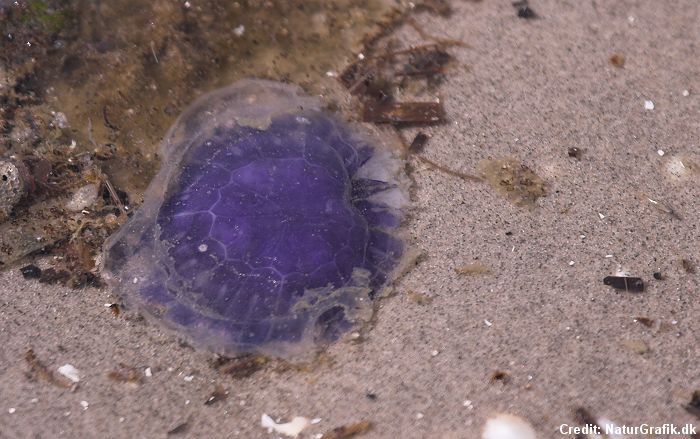
You will normally only find two common species of stinging jellyfish in the Danish coastal waters. In Denmark known as the red fireman and the blue fireman. In English better known as the lion’s mane jellyfish (Cyanea capillata) and the blue jellyfish or bluefire jellyfish (Cyanea lamarckii).

the blue jellyfish or bluefire jellyfish
The blue jellyfish (Cyanea lamarckii). In Denmark known as the blue fireman.

Both species are unpleasant to be touched by but are normally not considered seriously dangerous, although it can not be excluded that some drowning accidents can be caused by stinging jellyfish.
A jellyfish sting can certainly ruin a day at the beach. The pain is much like a nettle sting, though it can last far longer.

The lion’s mane jellyfish
The lion’s mane jellyfish is the most common stinging jellyfish along the shores of Denmark.

If you do spot a jellyfish (red or blue) floating in the water, don’t try to wave it away, just move out of its path and alert others to its presence. If there are large numbers it is advised to get out of the water. Notice that the stinging (almost invisible) tentacles can have a length of several meters.
The stinging jellyfish are most common in the late summer.

First aid

If you do get stung, get out of the water as soon as possible. Gently scraping the affected area with a credit card or razor will remove any remaining nematocysts. The best first aid for a lion’s mane sting is to rinse it with vinegar to remove tentacles, and then immerse the affected area in hot water, if possible – it will help with the pain.

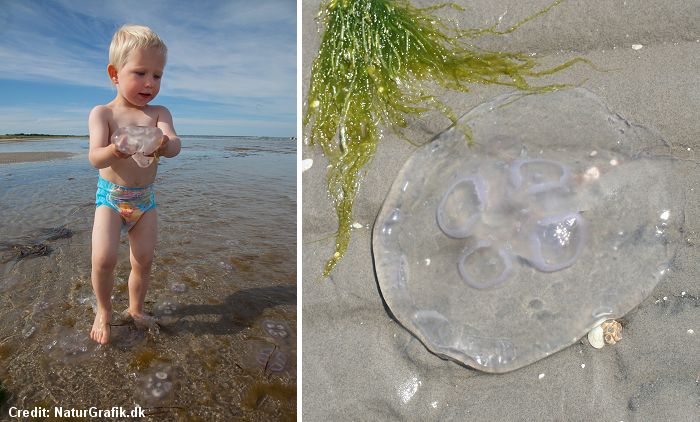
The harmless Common Jellyfish.

The common jellyfish (Aurelia aurita) is, as its name suggests, the most common jellyfish species along the Danish shores. It is harmless to us. The species is in Denmark known as the “waterman”.

The common jellyfish
The common jellyfish is often popular among kids playing at the beach. Common jellyfish is harmless to humans.

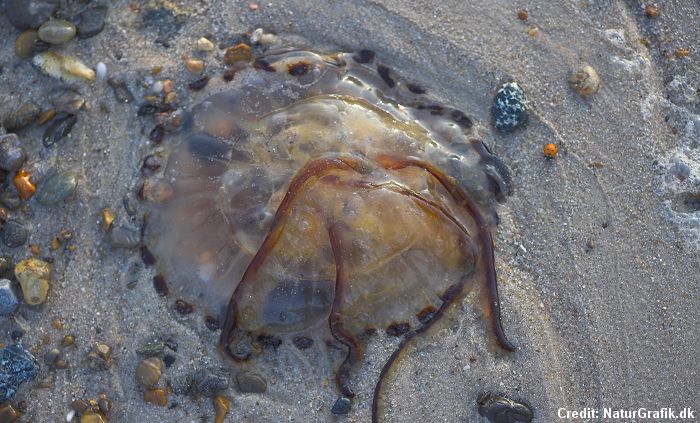
The Compass Jellyfish

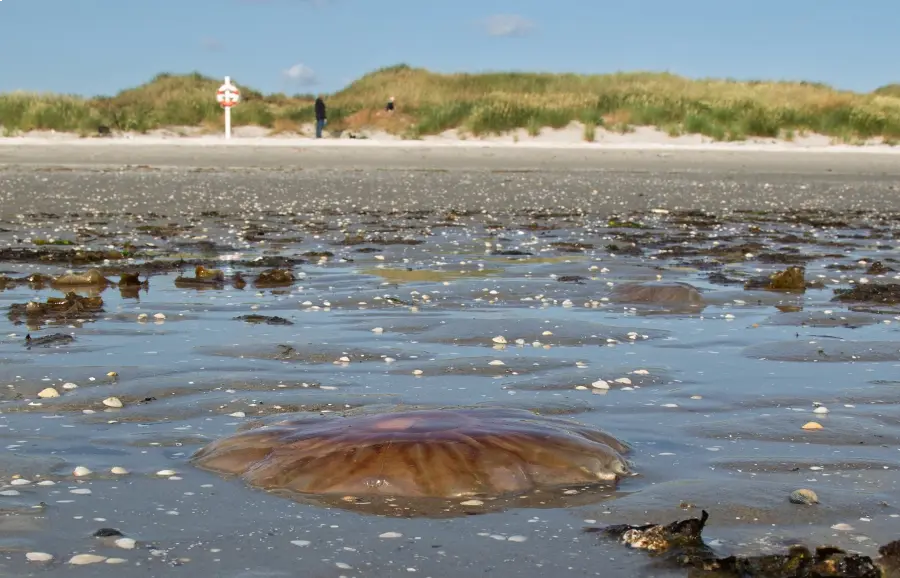
The compass jellyfish (Chrysaora hysoscella) is most likely to find at the west coast of Jutland. They are known to sting but are not seen very often near the beaches. Compass Jellyfish are tinged orange-brown and have 16 dark brown V-shaped lines radiating from the centre which divide the bell into 32 lobes around the edge.

The compass jellyfish
The compass jellyfish.

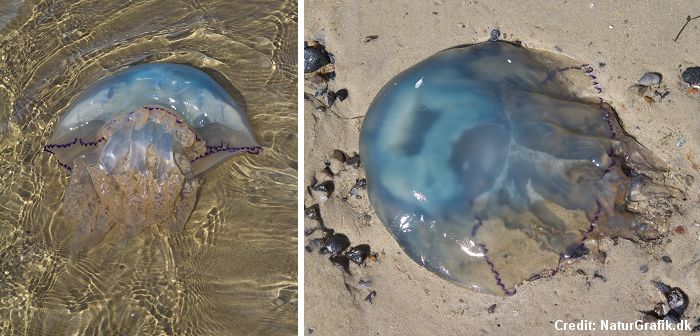
The Barrel Jellyfish

The rather pretty light blue Barrel Jellyfish (Rhizostoma pulmo) is one of the fastest swimmers among jellyfish. It is normally only seen at the west coast of Jutland and around the Skagerak Strait. It is able to sting but not like the other mentioned species above. It is normally considered harmless.

The barrel jellyfish
The barrel jellyfish is also known as the dustbin-lid jellyfish or the frilly-mouthed jellyfish.

Sustainable forest management

0
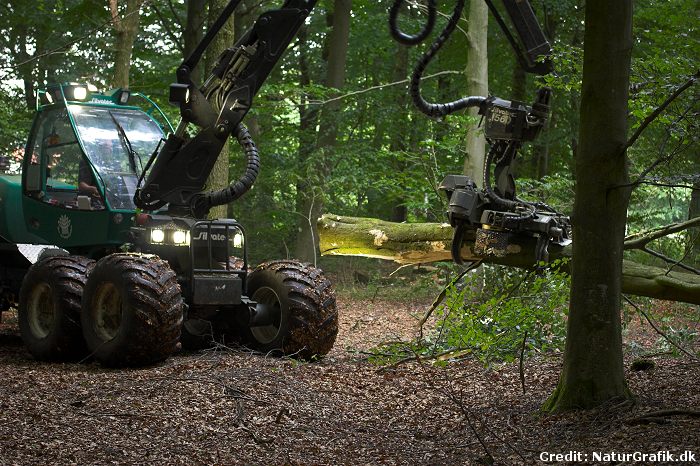
Sustainable forest management has been high on Denmark’s agenda for the last decade.

Since adoption of the Danish Forest Act in 1805, forest clearance has been banned in Denmark. The Danish Parliament has recently decided to increase the areas of undisturbed, untouched forest.

Most of Denmark was originally covered by forest, but after centuries of uncontrolled felling and clearance for agriculture, just 2-3% of Denmark was covered by forest around 1800. Although Denmark is one of the most deforested countries in Europe, the forested area have been steadily increasing since 1800. The levels have risen to today’s covering of more than 14% of the country. Areas with the highest biodiversity in Denmark are today found in the forests.
Since adoption of the Danish Forest Act in 1805, forest clearance has been banned in Denmark, and at the same time great efforts were initiated to plant more forests. When logging trees, forest owners are required by law to plant new trees.

The forests in Denmark are unevenly spread, with much forest along the high ridge of Jutland, in northern Zealand and on Bornholm. There is a lot of smaller forestland near large towns and cities.

When logging trees, forest owners are required by law to plant new trees.

Sustainable forest management.

Sustainable forest management has been high on Denmark’s agenda for the last decade. It has become increasingly recognised that sustainable forest management should be integrated into the country’s national forest programmes and national forest policies. Despite the fact that the total area of forest land in Denmark is relatively small, the Danes still consider their forests to be of great importance.

Scarcity of old dead trees in the Danish woods.

The Danish Parliament has decided to increase the areas of undisturbed, untouched forest in Denmark in the coming years.

Because of the concentration on commercial production in Danish forestry, there is a scarcity of old trees and deadwood compared to virgin forests. Consequently species dependent on these habitats for their survival are now endangered. The Danish Parliament has decided to increase the areas of undisturbed, untouched forest in Denmark in the coming years.

Source: borealforest.org, nordictimber.org, mst.dk.

Risk of rabies in Denmark?

In Denmark there are no wild dogs and no rabies infected foxes or wolfs. The risk of rabies is insignificant/non-existent. However, some bats can be infected with the European Bat Lyssavirus.

Rabies is a zoonotic disease transmitted from animals to humans, caused by the rabies virus. World wide domestic dogs are the most common reservoir of the virus, with more than 99% of human deaths caused by dog-mediated rabies.
In Denmark there are no wild dogs and no infected foxes or wolfs.
The risk of rabies is insignificant/non-existent.

Do not handle bats

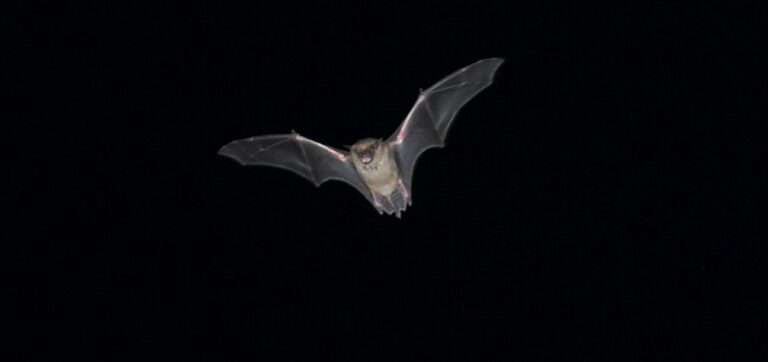
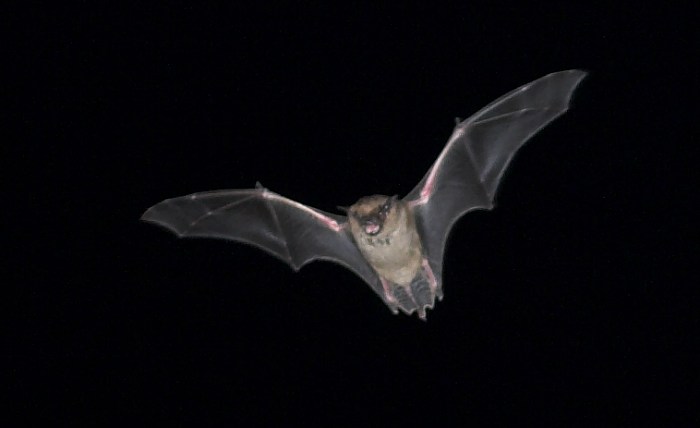
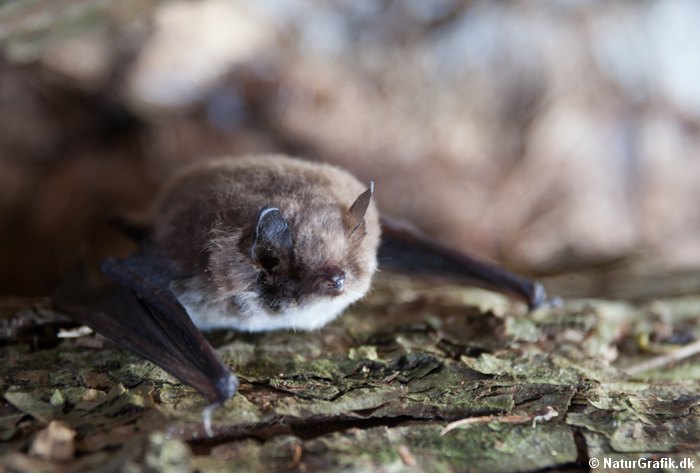
However, some bats may be (in rare cases) infected with rabies virus, the European Bat Lyssavirus, which can infect humans. The infected bats never attack humans. Bite from bats only occur if the animals are being handled. If you find a bat on the ground, don’t pick it up, even if you think it is dead!

If you are bitten by a bat, wash the wound with water and soap, and then immediately seek medical advice so that you can be vaccinated against rabies. If possible, the bat must be stored so that a veterinarian can submit it for rabies examination.

Rabies vaccine is not recommended for travelers in Denmark – including outdoor activities in remote areas.

If you find a bat on the ground, don’t pick it up, even if you think it is dead!

Sources: Danish Veterinary and Food Administration, WHO, Statens Serum Institut.