

Home Blog Page 4

Wildlife in Greenland

0

Greenland’s nature is absolutely wild and breathtaking — it’s one of the last truly untamed frontiers on Earth. About 80% of Greenland is covered by a gigantic ice sheet, second only to Antarctica. It holds about 8% of Earth’s fresh water.

Did you know that there are no ants in Greenland? No ants, no grasshoppers, no dragonflies, but a lot of other things! Beside the magnificent sceneries, Greenland is known for its spectacular wildlife.
There are hundreds of known species of fish and shell fish in the waters surrounding Greenland. Of the sea mammals the most important are the ringed seal, the bearded seal, the harp seal, the hooded seal, the common seal and the walrus. The Greenlandic waters are also habitat for a wide variety of whales. All the whale species of the North Atlantic come to the waters of Greenland at some point or another to breed and eat.

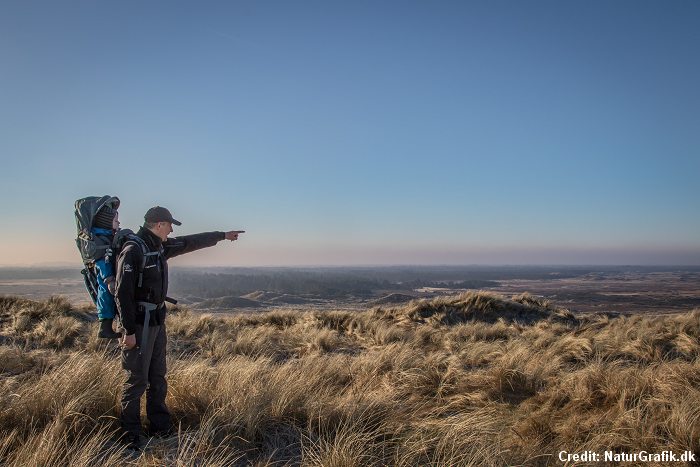
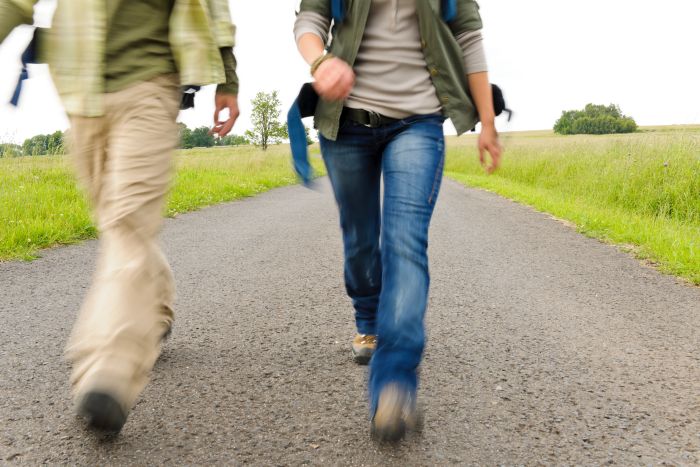
Scandinavian hikers near Kangerlussuaq, Greenland. Credit: Niels Lisborg.

Greenland’s isolated location has impeded the immigration of wild land mammals. In fact Greenland only has seven species of wild land mammals: the polar bear, the polar hare, the Arctic fox, the reindeer, the musk ox, the lemming and the wolf. Accordingly there is a very scarce selection of small land mammals, and many animal groups are not represented at all – e.g. amphibians and reptiles.

It’s not just snow and ice.

Did you know that people actually farm and grow vegetables in some areas — a throwback to the Norse settlers who once lived there.
The summer temperature in Greenland is normally around 5 to 15 degrees C in the shade.

Danish hiker fishing for trouts. Credit: Niels Lisborg

To read more about the nature and wildlife of Greenland, please go to VisitGreenland.com.

HISTORY: Greenland has been inhabited for at least 4,500 years. They were primarily Arctic peoples who immigrated from Canada. In the early 10th century, Vikings settled in southern Greenland. Their descendants disappeared in the late 15th century.
More than 300 years ago (in 1721) Greenland became a Danish colony, which it remained until 1953. In 1953 amendments were made to the Danish Constitution, and Greenland ceased to be a Danish colony.

In 1979, Greenland went from being a county to being a largely self-governing part of the Kingdom with home rule and a home rule government. Once again in 2009, the authority of the Greenlandic government was extended and the country now covers all spheres of society with the exception of the foreign and security policy areas. In other words, Greenland officially became a self-governed nation within the realm of the Kingdom of Denmark in 2009.

Today, there is close cooperation between Denmark and Greenland in many ways. An increasing number of Greenlanders are applying for higher education in Denmark and many Danes go to Greenland to work e.g. craftsmen and researchers.
Regarding free health care The Capital Region of Denmark has a formal cooperation agreement with Greenland regarding treatment at the Capital Region’s hospitals of patients residing in Greenland. This concerns treatments where all or part of the treatment cannot be provided in Greenland.
There are about 57,000 people living in Greenland. 7-8 percent are ethnic Danes. Approximately 1/4 of ethnic Greenlanders live in Denmark.

The ice sheet is melting. The Greenland ice sheet has been one of the largest sources of sea level rise since the early 2000s. Credit: Niels Lisborg.
Source: Ministry of Foreign Affairs of Denmark, Region Hovedstaden, visitgreenland.com, greenland-travel.dk.

Introduction to the wild of Denmark

0

The Wild About Denmark – in short.

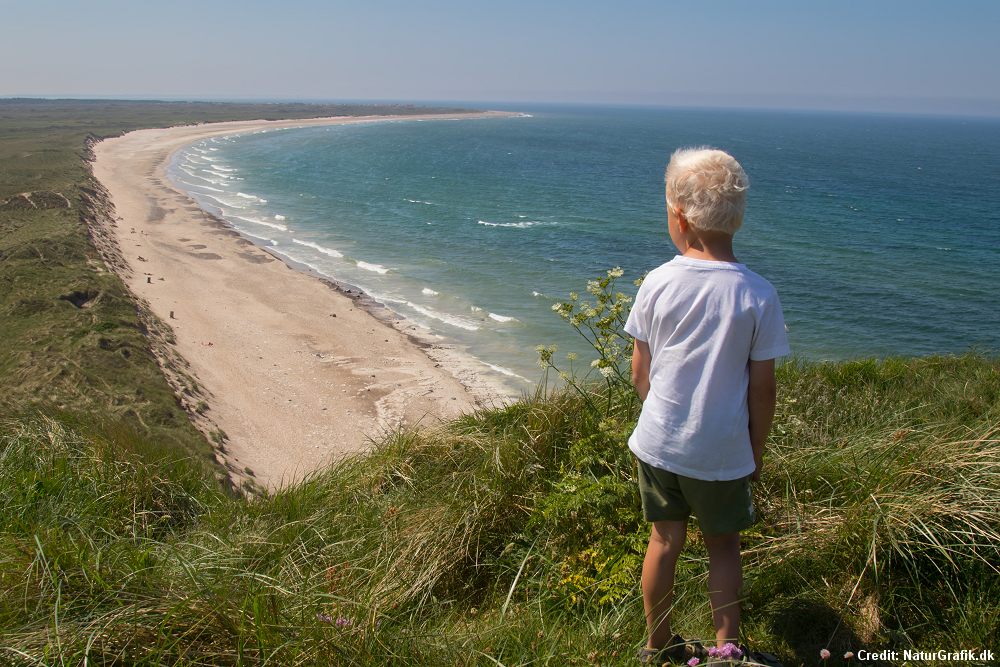
Denmark consists of the peninsula of Jutland, north of Germany, and more than 400 islands, about 80 of which are inhabited. View from Bulbjerg, Northern Jutland. Credit: Niels Lisborg

Nature and wildlife

Denmark occupies 43,094 square kilometers and is the smallest of the Nordic countries. The landscape of Denmark is formed by the movement and melting of Ice Age glaciers thousands of years ago.

Denmark is situated between the Atlantic region and the European continent, between the saline North Sea and the brackish waters of the Baltic Sea. Because of the very changeable climate with considerable regional differences, wildlife in Denmark is plentiful and multifarious as Danish nature is the natural home for a large number of plants and animals – estimated around 40,000 species in total according to DanBIF – Danish Biodiversity Information Facility, University of Copenhagen.

Denmark consists of the peninsula of Jutland, north of Germany, and more than 400 islands, about 80 of which are inhabited. Zealand is the largest and most populated island in Denmark. Copenhagen, the capital of Denmark, is located partly on the eastern shore of Zealand and partly on the island of Amager.

The Danish coastline is all together about 8750 kilometers long with beaches, islands, marshland, mudflats, inlets and coastal meadows.

Preserved beaches

Unlike many other countries, it is normally not allowed to build on the seashore in Denmark. This means that Denmark’s coasts and beaches are preserved mostly free from constructions, hotels etc.
Remote areas in the coastal region of Northwest Jutland. Credit: NaturGrafik.dk

A flat fertile country

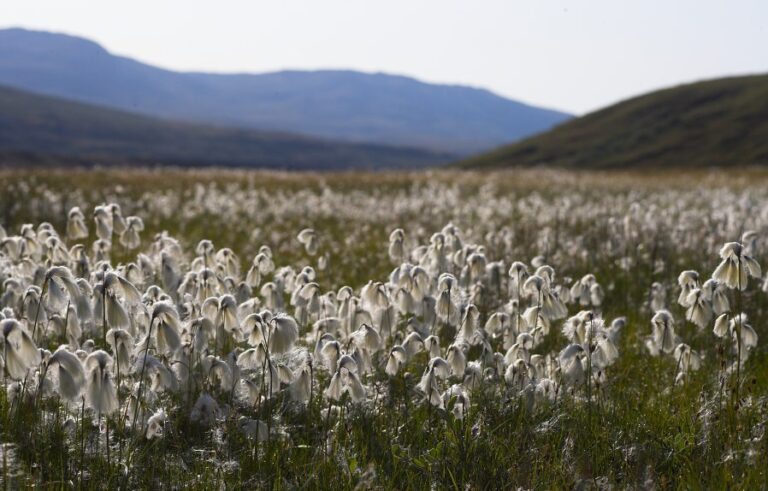
With the highest natural point in Denmark, about 170 metres above sea level, Denmark is a flat but very fertile country where more than 60 percent of the land is cultivated. Only about 15 percent of the country is covered by forests.
Considering the size of the country and the high percentage of intensive agricultural land (one of the highest in the world), Denmark still leaves space for a rich and diverse wildlife.

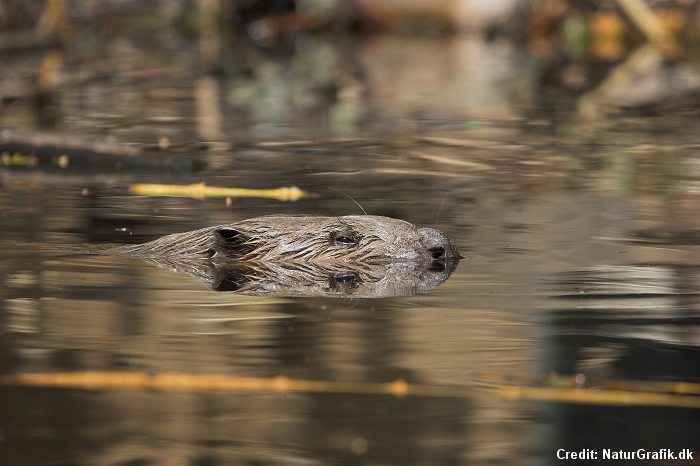
Beavers were successfully reintroduced to Denmark in 1999.

Among wolves, beavers, red deers and golden eagles.

In more remote areas the Danish Wildlife includes wolves, migrating Golden Jackals, breeding eagles, Beavers and Red Deers.

88 mammal species have been recorded in Denmark including the whale species in the surrounding Danish sea areas.

Denmark is also home to an impressive number of species of birds that vary from residents, that stay all year around, to breeding birds, that spend a good part of the summer season in Denmark. The list of birds of Denmark includes more than 500 species.
The climate in Denmark is tempered and fairly distinct in four annual seasons.

Sources: birdlist.org, Dansk Pattedyratlas, Ministry of Foreign Affairs of Denmark, Allearter.dk.

Snakes in Denmark

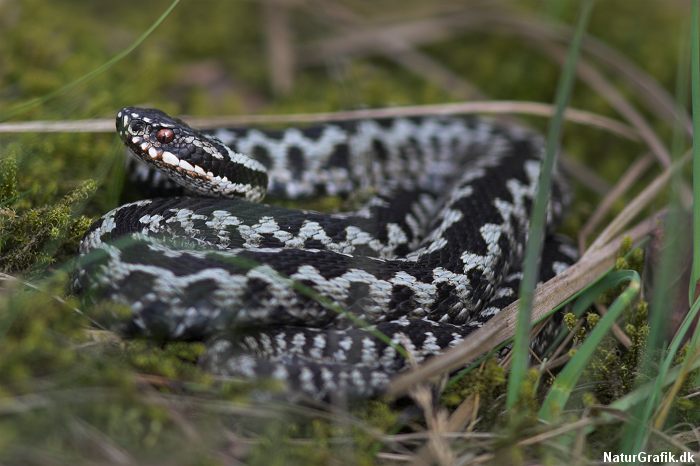
adder
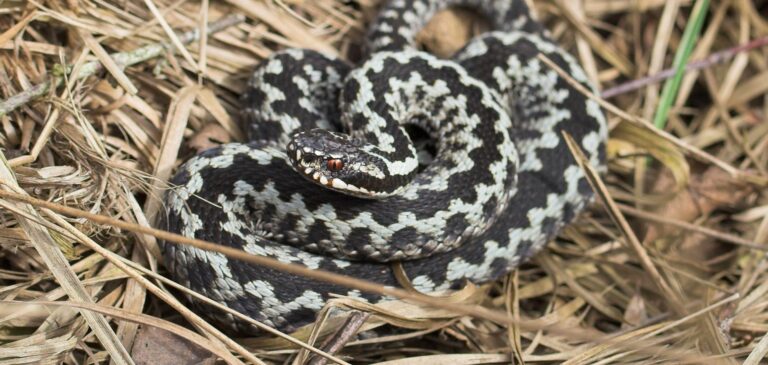
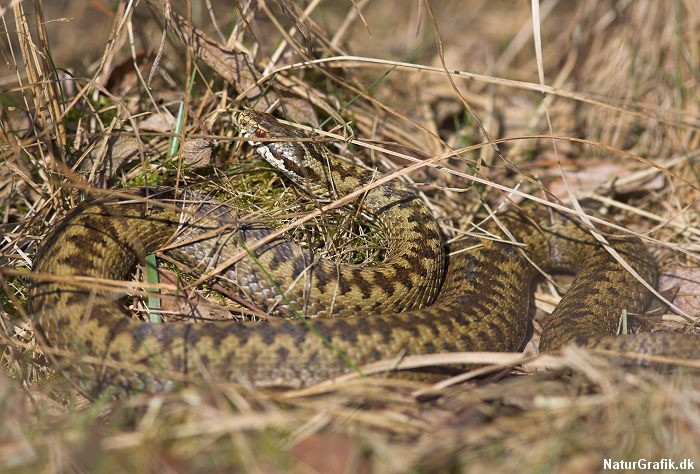
The European Adder. The only venomous snake found in Denmark.
Once there were four species of snakes in Denmark. The Aesculapian snake and the Smooth snake are today considered extinct. That leaves the two remaining species: European Adder (Vipera berus) and the Grass snake (Natrix natrix).
The European Adder.

Adders are the only venomous snakes found in Denmark. They use their venom to immobilise prey such as lizards, amphibians, nestlings and small mammals. Adder’s are notoriously shy and will avoid human contact whenever possible. You must be very close to the snake to be bitten. Normally within 25 cm.

Although an adder’s venom poses little danger to a healthy adult human, the bite can be very painful. Adder bites are normally not serious but can be in some cases (eg. for small children)! It is advisable to remain calm and not to panic. The venom is released through the bloodstream and movement such as panicking could increase is spread throughout the body. Medical attention is recommended.

First aid

Consider the following when bitten or helping someone else:

1) Check that breathing is normal and not restricted
2) Loosen tight clothing around the bite area
3) Remove jewellery and watches if swelling becomes a problem.
4) Seek medical attention.

Most cases can be seen to locally by a medical professional if the casualty is breathing fine with only minor symptoms present.

Call 112 if the casualty’s breathing is inhibited.

Adder

Description.
The colour pattern of the adder varies, ranging from very light-coloured specimens with small, incomplete, dark dorsal crossbars to entirely brown ones with faint or clear, darker brown markings, and on to melanistic individuals that are entirely black and lack any apparent dorsal pattern. However, most have some kind of zigzag dorsal pattern down the entire length of their bodies and tails. The lenght of the snake is only about 60 to 90 cm (24 to 35 in).

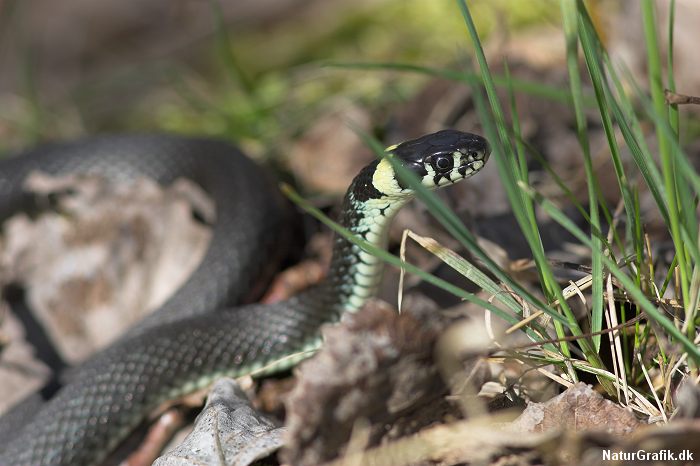
The harmless Grass snake is the largest snake in Denmark.

The Grass Snake

The grass snake is the largest snake in Denmark. It can grow up to 140 cm long. The snake is harmless and not venomous.

Description.
The Danish grass snakes are typically dark (black) in colour with a characteristic yellow collar behind the head. However, the colour may range from grey to black. Grass snakes are good swimmers and are frequently found close to fresh water. Grass snakes prey mainly on amphibians.

The Grass Snake very rarely bite in defence

Not being venomous, the snake’s only defence is to produce a bad smelling fluid from the anal glands, or sometimes to feign death by becoming completely limp. The snake may also in some cases perform an aggressive display in defence, hissing and striking without opening the mouth. They very rarely bite in defence.

Sources: Train-aid.co.uk, NaturMagasinet.dk, Wikipedia.

Foraging in the Wild

0

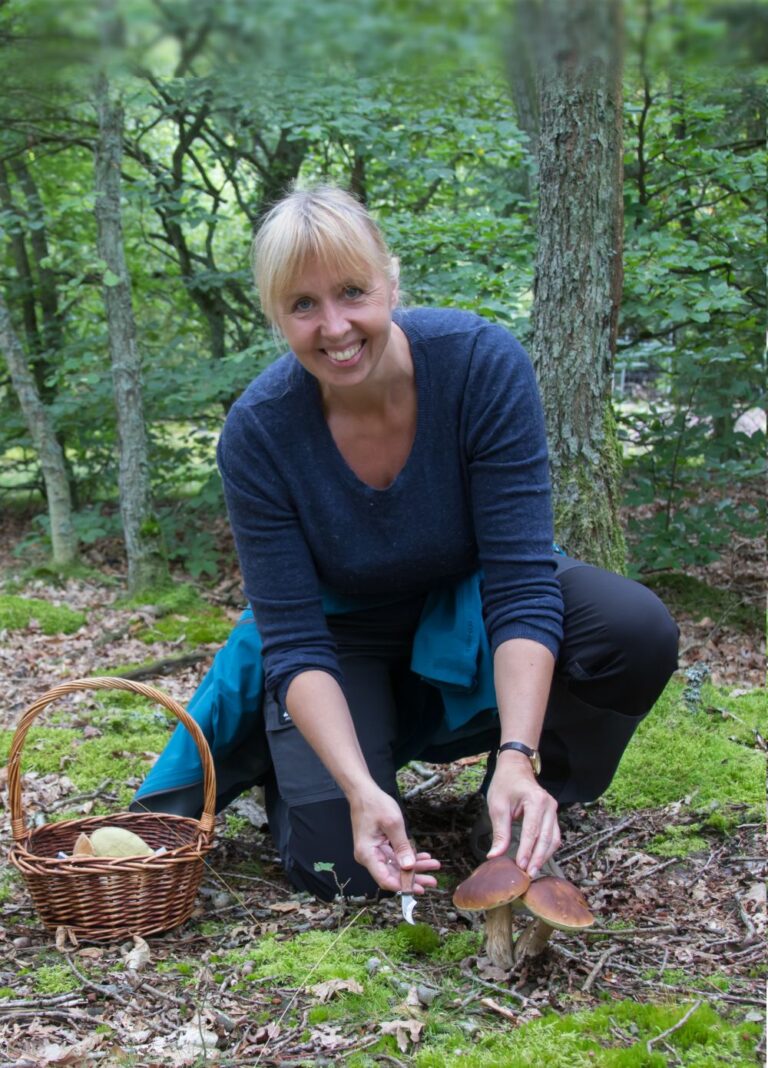
Foraging in Denmark – gathering wild food in nature’s pantry. You can find tasty wild plants, berries and mushrooms in the Danish nature.

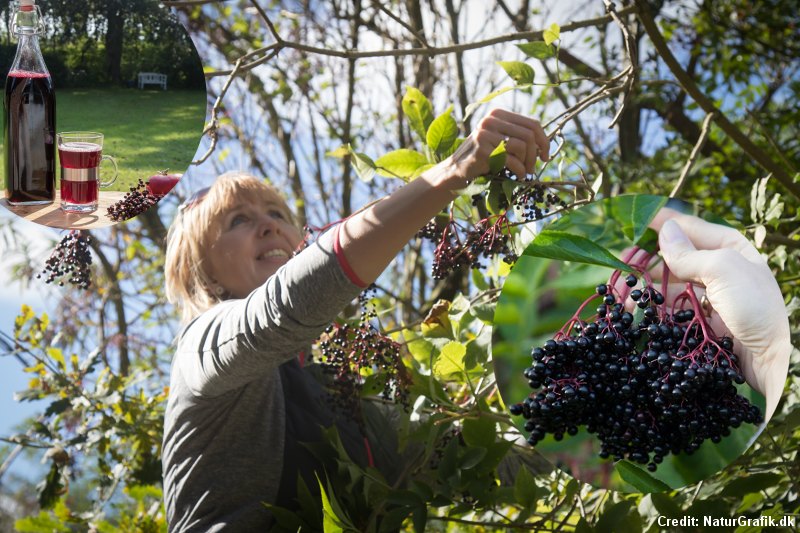
Foraging is popular in Denmark. Here, elderberries are picked for juice, syrup and elderberry soup.

Where to forage?

Foraging in the wild is a great way to discover natural habitats. Foraging compels a greater awareness of the surroundings, and in addition you might get great nature experiences.
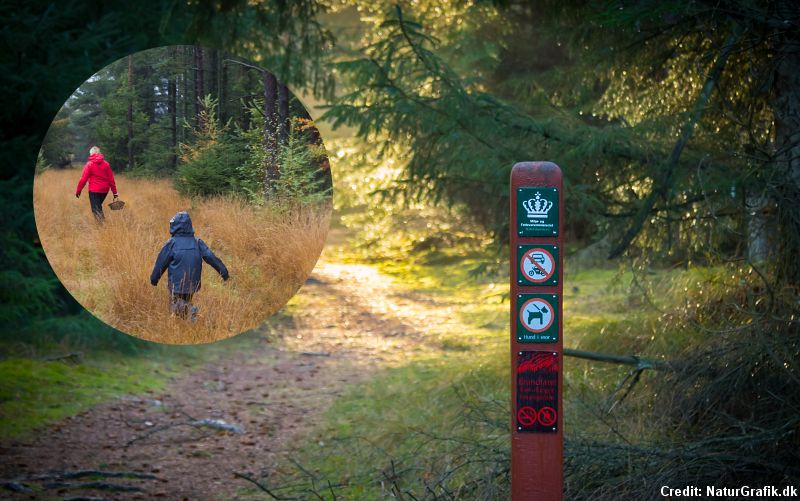
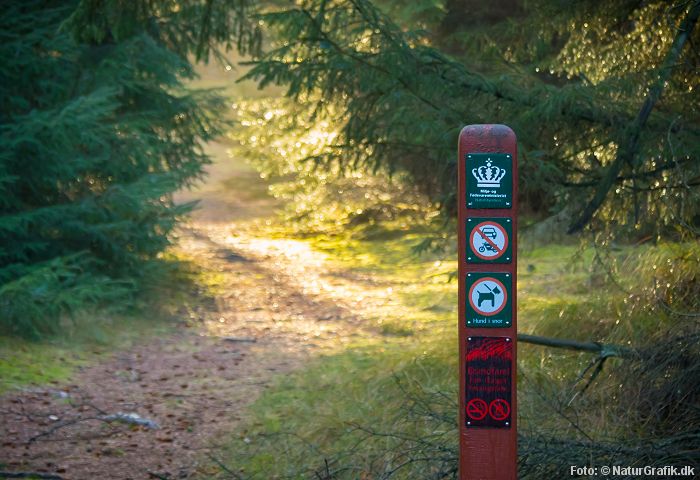
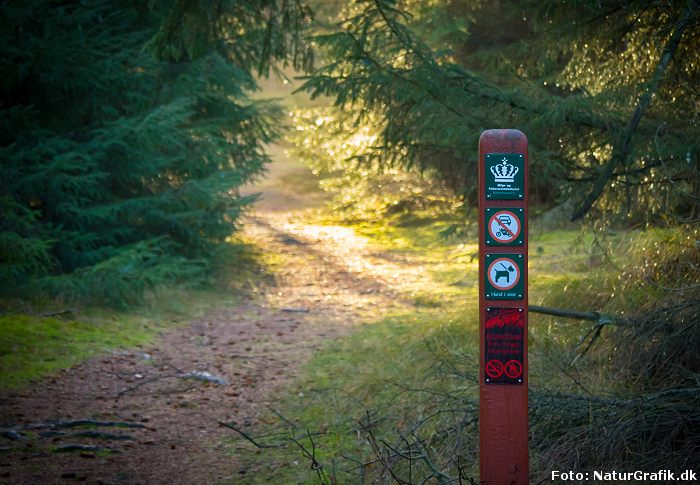
In private forest areas, you cannot leave the trails or roads and go foraging with out seeking permission from the landowners, however in the public government-owned forest (look for the red pole, see image below) roaming freely is allowed.

There is generally public access to publicly owned land such as state forests (marked with a crown on a red pole) or municipally owned nature areas.

Foraging – only for personal use!

Foraging for mushrooms, nuts, berries etc. are in Denmark normally only permitted for personal use. In other words is it not legal to forage for commercial purposes and sell to shops, restaurants, road stalls etc.
This rule was adopted as early as 1241 with the Jutland Act (Jyske Lov). Back then, it was described that one must gather what one can carry in a hat. The same principle applies today. You must – for private consumption – pick and collect what you can have in a basket or bag. This of course does not apply to protected and endangered plants, shrubs and trees.

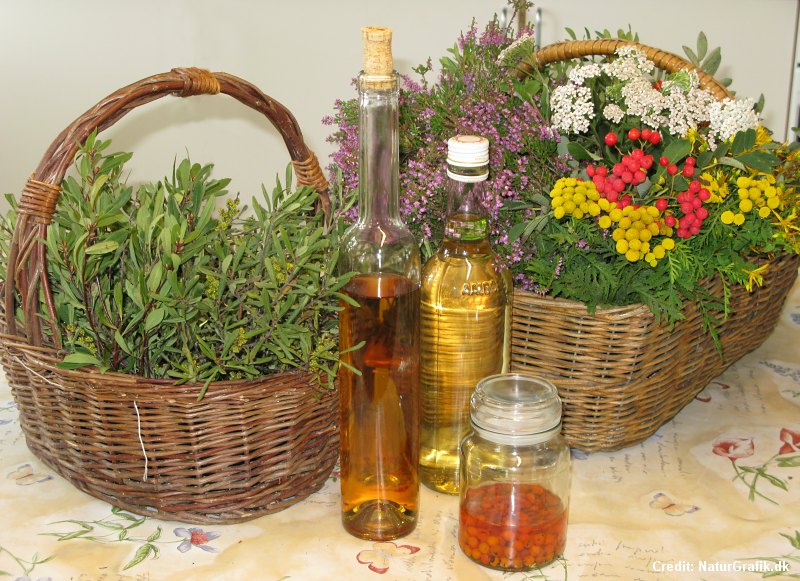
Collecting plants and herbs. It is popular in Denmark to flawor snaps and liquor with wild herbs and fruits.

How to forage responsibly?

Here are a couple of key foraging guidelines:

When foraging for wild food in Danish natural areas, you must be able to correctly identify what you are picking, otherwise you should not eat it! The wild Danish nature also contains deadly poisonous berries, plants and fungi!

  • Always be sure you can positively identify what you are picking, and never eat any plant, flower, berry or mushroom you are unsure of!
  • Pick with respect. Only collect moderate amounts for you and your family, and not for commercial use.
  • Never completely strip an area as this could damage the species and deny another forager the chance to collect.
  • Be mindful. Take care of our natural habitats. Avoid disturbing or damaging. Do not leave your garbage and trash!

Mushrooms

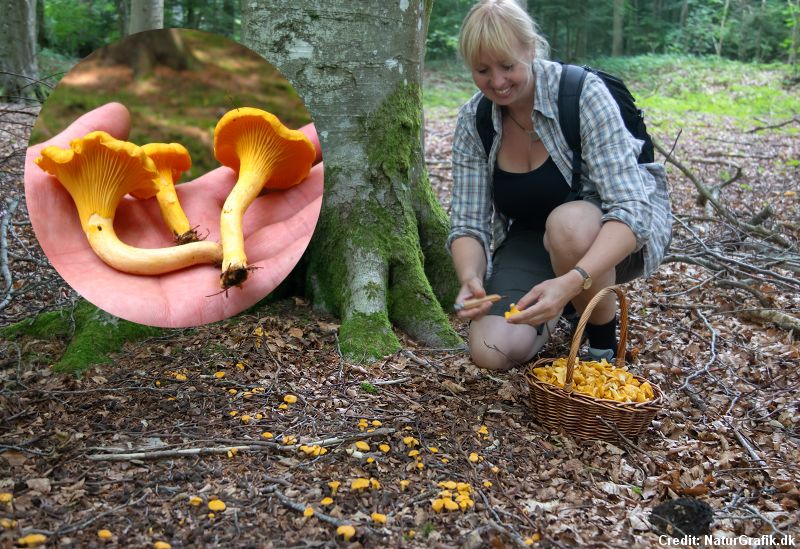
Edible mushrooms are found in most Danish wooded areas. Main season is from July (starting with chanterelles) to November. Foraging for wild mushrooms can be a great outdoor experience. But make sure you do it safely!

The yellow chanterelles are popular because of their delicious taste. Credit: NaturGrafik.dk.

In fact, some highly toxic mushrooms can unfortunately also be highly present. It is always important to be able to recognize and distinguish both edible and toxic mushrooms.
Some inexperienced foragers can put themselves and the people they share meals with in danger. If you are foraging for mushrooms, it’s of course imperative that you know the details of the mushroom you are looking for.

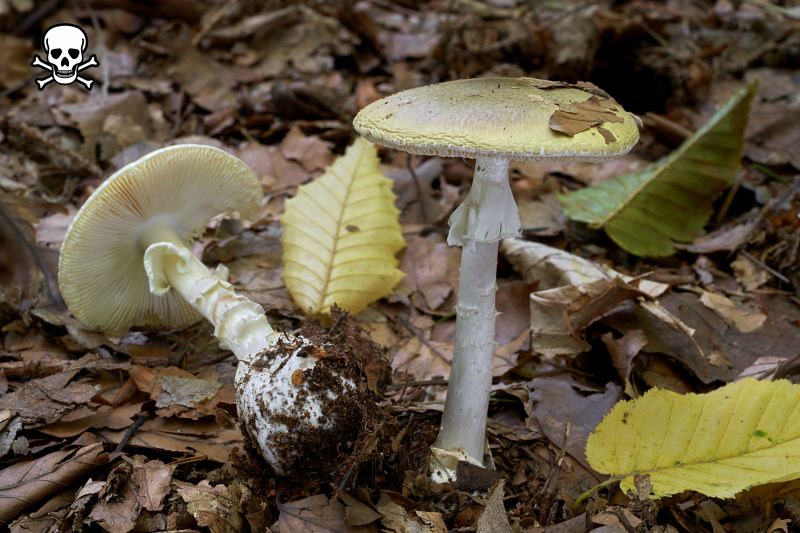
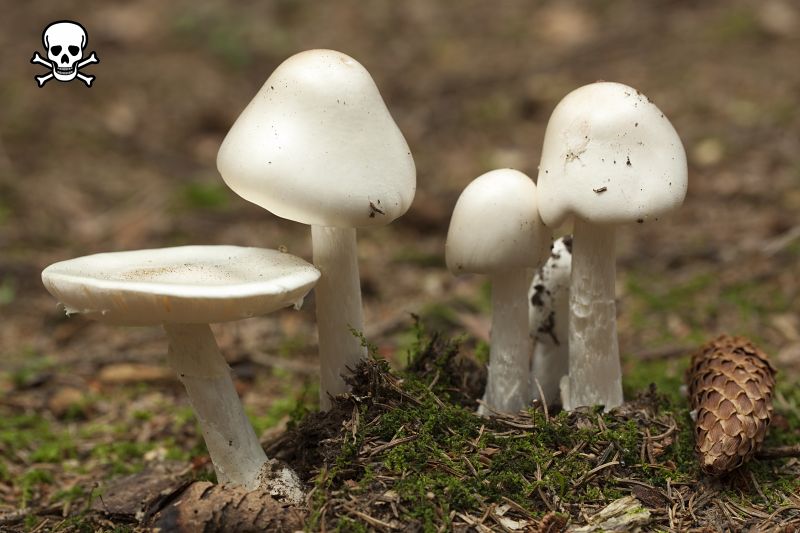
Some common Danish mushrooms like Death cap (Amanita phalloides), Destroying angel (Amanita virosa) and Deadly webcap (Cortinarius rubellus) are all considered to be capable of causing fatal fungal poisoning.

 Only eat mushrooms you are absolutely certain are safe!

Death cap (Amanita phalloides). Although causing the most fatalities this deadly fungus (and Destroying angel) has no known antidote. Credit: Igor Kramar, Dreamstime.com.
Destroying angel (Amanita virosa). Credit: Jolanta Dabrowska, Dreamstime.com.

Sleeping in the woods

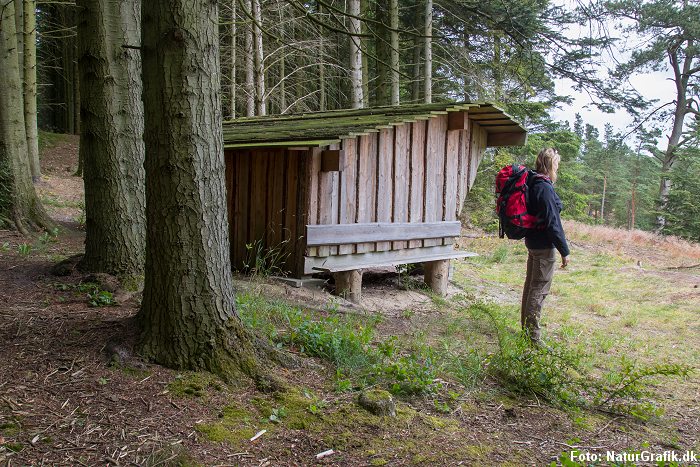
A shelter in the woods.

Stay overnight outside in the forest

Free camping, but simple conditions

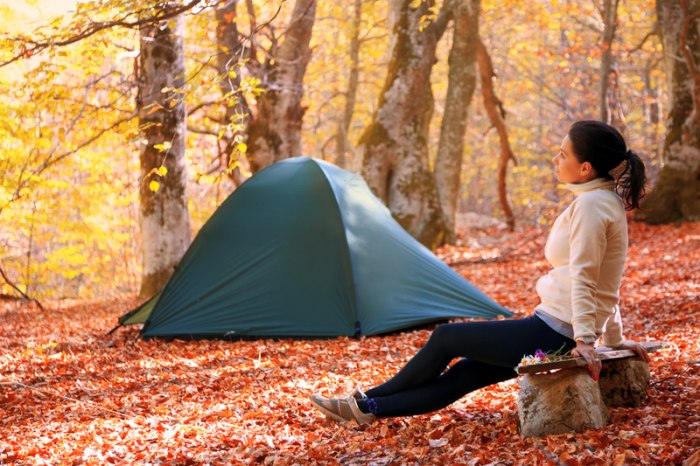
You can put up your tent in many of the Danish state forest areas (more than 200 forests all over the country) and stay overnight without prior permission. If you need to find a free camping site the local tourist office will be able to help you.

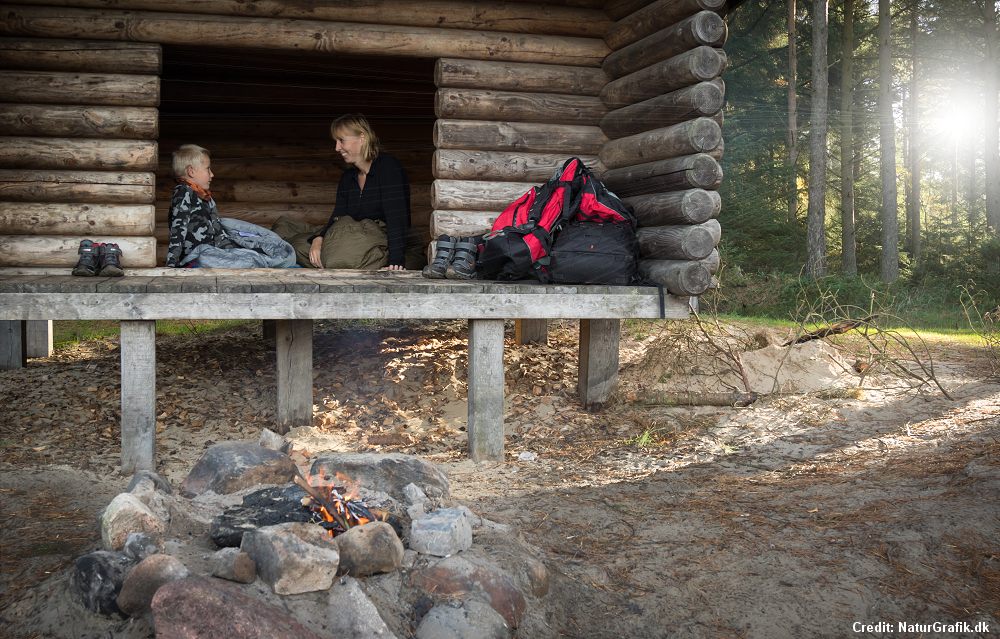
You may stay overnight on publicly owned natural areas on the ground in a sleeping bag, in a hammock, in a tree, or similar. You can use a rain cover or similar, but your shelter must not resemble a tent or similar. Open fires are only permitted at camp-fire sites and remember to take your rubbish home. Consider your neighbours, sensitive and vulnerable nature etc. For example, the bark on trees is easily damaged in the spring.

You can recognize a state forest on the red pole with the Crown-logo.

Private areas

You should always ask the owner for permission to stay overnight on privately owned natural areas, unless you are staying on a site where the owner has already given permission, for example a primitive camp site.

Source: The Danish Nature Agency.

Rights of way and accessing land.

In Denmark, there is a more restricted freedom to roam on privately held land compared to Norway and Sweden. All dunes and beaches and all publicly owned forests are open to roaming. Uncultivated, unfenced areas are open to daytime roaming irrespective of ownership status. Privately owned forest have access by roads and tracks only.

Access to privately owned land.

The largest part of Denmark is agricultural land with fields, grazing areas, field paths etc., which are mostly privately owned. Everywhere you have to respect the private property rights (e.g. agricultural production) and respect the signs that you encounter on your way.

You are allowed to walk and cycle on roads and paths in the open countryside including private forests. However, the owner is allowed to prohibit traffic if it is a major nuisance to privacy, to production or to protection of nature and wildlife.

On private, uncultivated areas (like heaths) that are not fenced, you are allowed to walk on foot from noon, 6am to sunset, and only stay (e.g. a rest breake) at a distance of at least 150 meters from buildings. 

There are also public access to fenced, non-cultivated areas, if there is no grazing livestock, if you can enter through doors, stents and the like and if there is no signs that prohibit access.

Access to publicly owned land.

There is in generel public access to publicly owned land like state forests or municipal owned nature areas . If you are on foot, you are welcome to go offroad and walk outside roads and paths. If you are on a bike you have to stay on roads and paths. There is public access around the clock.
Driving by car on paths and small roads in the forests is normally prohibited. Please respect the signs.

State forest
Public state forest. Recognizable by the red pole.

Source: The Danish Environmental Protection Agency.

Denmark’s largest offshore wind farm is ready to supply green energy

0

The Kriegers Flak’s offshore wind farm in the Baltic Sea is expected to supply energy that corresponds to the annual electricity consumption of 600,000 households.

New wind farm strongly contribute to the Danish target of fossil independency.

“Green energy is crucial for the climate-neutral society of the future, and with the power from Kriegers Flak’s offshore wind turbines, Denmark is once again proving to be a pioneer in the use of wind energy”, says Dan Jørgensen, Danish Minister for Climate, Energy and Utilities.
In the long term, when all 72 turbines are established, there is an expectation that the park will be able to supply what corresponds to the annual electricity consumption of approximately 600,000 households.

This is approximately 50 percent more energy than the largest offshore wind farm so far in Denmark, The Horns Rev III.

The new windfarm is an important contribute to the Danish target of fossil independency in 2050.

The Swedish company Vattenfall is responsible for the establishment and operation of Kriegers Flak Offshore Wind Farm in the Baltic Sea.

Pioneer industry originally developed in Denmark

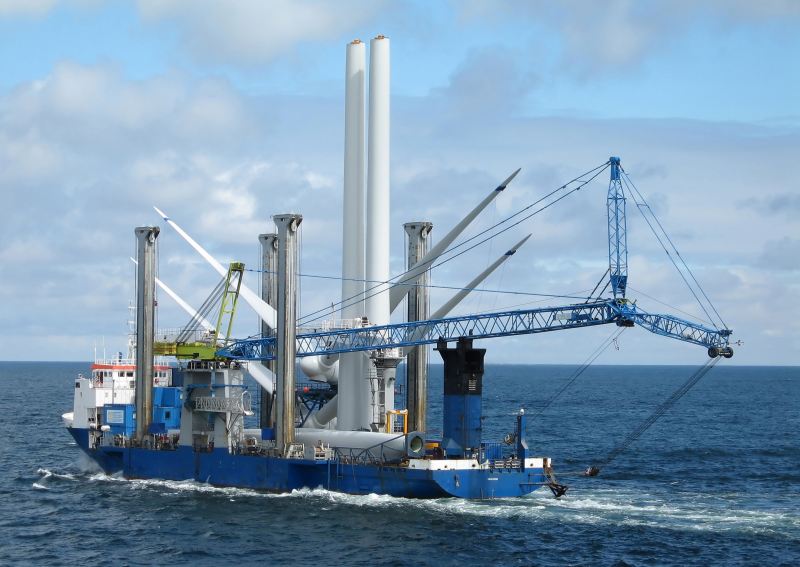
Ship for wind turbine installation offshore. Archive Image. Credit: Yobidaba, Dreamstime.com.

Offshore wind energy was originally developed on the basis of the Danish success with onshore wind power. Denmark was the first country in the world to install an offshore wind farm, which was the wind farm Vindeby close to Lolland. 

Horns Rev 1, the first large scale offshore wind farm, was installed in 2002. 

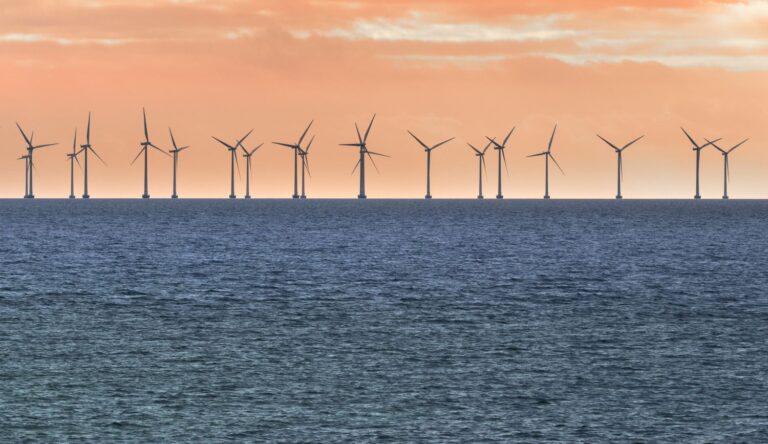
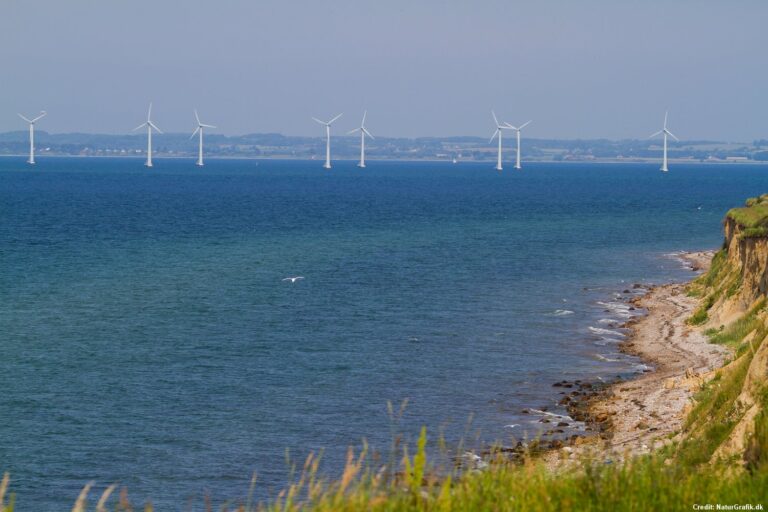
Sources: Danish Energy Agency, Energy-supply.dk. Featured image: Archieve photo, Danish Offshore Turbines near Copenhagen. Credit: JacekPlacek, Dreamstime.com.

Denmark put a final end to the fossil era and will phase out oil production

0

Denmark, the European Union’s biggest oil producer, is a net exporter of oil and gas. Now the country will stop offering new licenses in the North Sea and phase out production altogether in 2050 as Denmark takes an historic step toward a fossil-fuel free future.

“If Denmark can do it, so can we”

A broad majority in the Danish Parliament has reached a deal on the future of fossil extraction in the Danish territorial waters of the North Sea. The deal establish a final phase-out date of fossil extraction by 2050. 

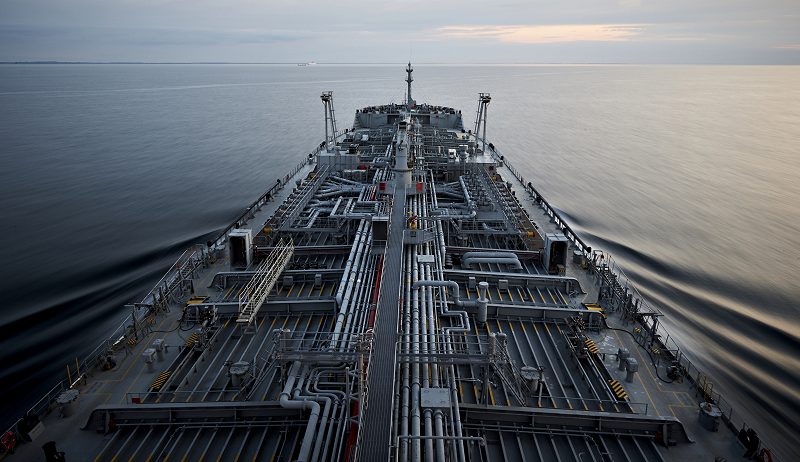
An Oil Tanker shipping oil from Denmark. Credit: Magnus Møller/Dreamstime.com

Climate and energy supply minister Dan Jørgensen said he hoped the decision would inspire others to take similar steps. “We hope this can inspire others. We’re the first country with a meaningful production to take such a step. The idea is that others will look at us and say, ‘if Denmark can do it, so can we.”’

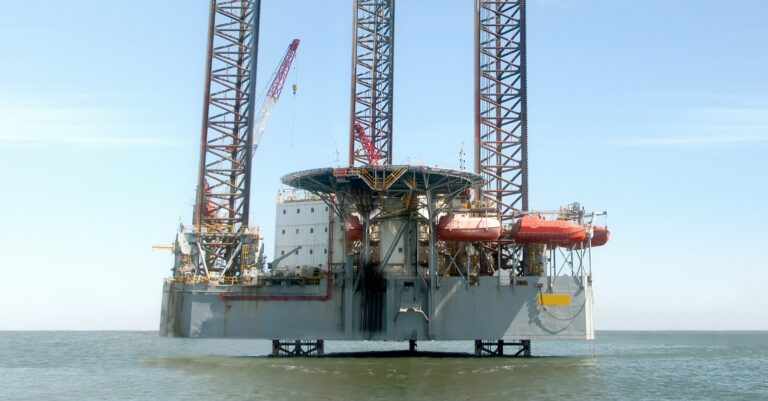
 An offshore drilling rig in the North Sea. Credit: Trondur/Dreamstime.com.

For oil and gas companies currently operating in Danish waters, terms and conditions will remain unchanged until production stops in 2050. The decision will cost Denmark about 13 billion kroner ($2.1 billion), according to estimates by the energy ministry. Since 1972, Denmark has made around 541 billion DKK in revenue from the North Sea. In 2019, the number was 5.9 billion DKK (964 million USD).

Protecting the climate

For Denmark, the decision to end its North Sea exploration fits into an agenda that has made protecting the climate a priority. The country targets cutting carbon emissions by 70% in 2030, compared with 1990 levels.

Greenpeace has called Denmark’s decision “a watershed moment” that will inspire other countries to end our dependence on climate-wrecking fossil fuels.
/MR

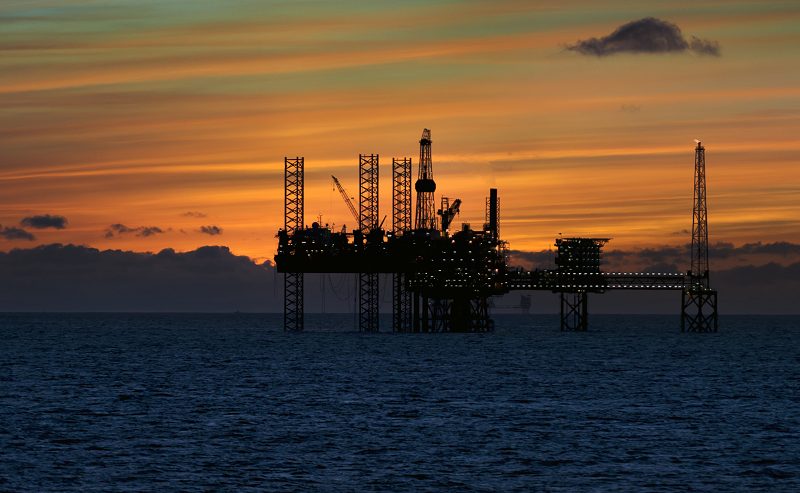
Source: Danish Ministry of Climate, Energy and Utilities, Blomberg.com, climatechangenews.com, Theguardian.com. Featured image: Danish oil-rig, Jezper/Dreamstime.com.

Sleep on the forest floor – for free

0
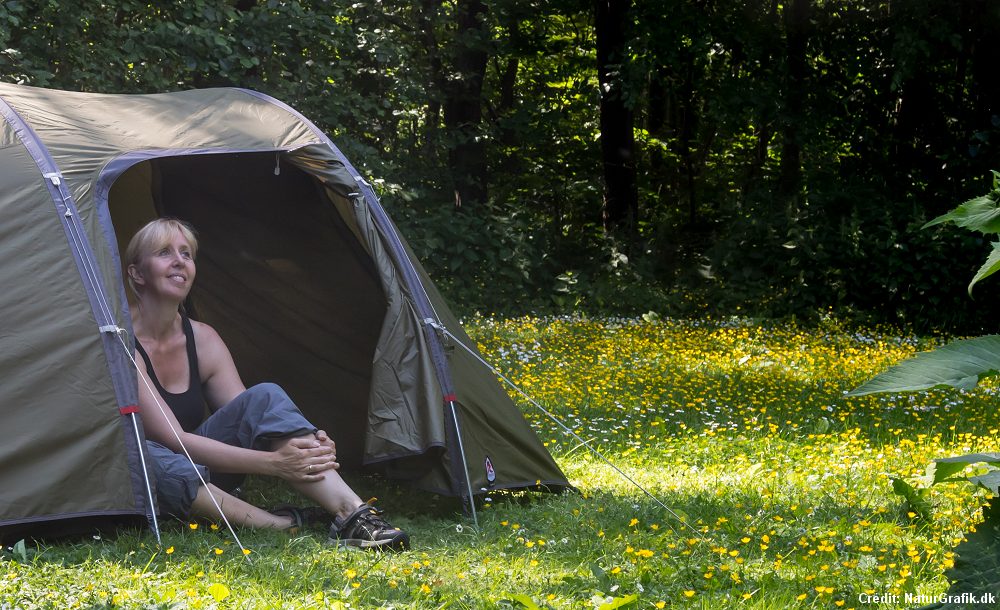
In more than 200 Danish state forest areas you are welcome to put up a tent – no charge. Credit: NaturGrafik.dk.

Denmark welcomes you to spend the night in the nature areas owned by the Danish Government. You can find the state forests in most parts of the country. Look for the red pole marked with a crown.

You are allowed to sleep on the forest floor on a mat, in a sleeping bag, with a blanket or tarpaulin, a hammock or the like. Your tarpaulin must not work as a tent, and you are not allowed to damage trees or anything else.
If you want to put up a tent you most use one of the many free campsites. If you do not want to stay at the campsites, you can find more than 200 state forest areas where you can set up your small tent for free.

You can recognize a state forest on the red pole with the Crown-logo.

On this map (link below) you can find campsites where you can put up a tent.

You can max stay at the small campsites for 2 days, but you cannot book the site in advance.

If you do not want to stay at the campsites, you can find more than 200 state forest areas where you can set up your small tent wherever you like. Please keep a considerate distance from buildings and houses.

Pleace leave no traces. Bring your garbage with you.
When you use the woodland as a toilet, please be at an acceptable distance from the campsite.

Source: The Danish Nature Agency. Featured image: Credit: Oleksi_Sagitov/Dreamstime.

At the top of the list among the most sustainable countries on Earth

Denmark is now ranking number one at the 2020 Environmental Performance Index

Denmark now ranks #1 on environmental performance in the world (2020).

The 2020 Environmental Performance Index (EPI) provides a quantitative basis for comparing, analyzing, and understanding environmental performance for 180 countries.

The Yale Center for Environmental Law and Policy, in collaboration with Columbia University’s Earth Institute and World Economic Forum, prepares bi-annual the Environmental Performance Index.

The Environmental Performance Index provides a consolidated view of each country’s progress and where they need to improve in terms of sustainability and the preservation of our world’s ecosystems. See the list here (link).

Excerpt from the report

Denmark leads the world on climate change action, having reduced its CO2 emissions by more than half since peaking in 1996 (World Bank, 2019). Denmark’s capital city of Copenhagen has slashed emissions through investment in wind energy and biomass, adoption of district heating and cooling systems, and expansion of bike lanes to the point that there are now more bicycles on the streets than cars (Cathcart-Keays, 2016; Taylor, 2018). The city aims to become the first carbon-neutral capital by 2025. Denmark sourced 47% of its electricity from wind power in 2019 (Gronholt-Pedersen, 2020), and recently announced a plan to at least triple its offshore wind capacity by 2030 through the construction of two 2GW “energy islands” (Hook, 2020). The project could eventually expand to 12GW, exporting excess energy to neighboring countries. The “islands” represent a central part of the country’s plan to implement a groundbreaking new climate law which aims for 70% emission reductions by 2030 and net zero by 2050. The legislation requires the government to set binding emission targets for each sector of the economy every five years, and could serve as a model pathway for other developed nations (de Bellefonds, 2020).”

“We are not there yet”

“It is very nice that Denmark ranks # 1 on environmental performance in the world. We stand in a global nature and biodiversity crisis, where species are disappearing at an alarming rate. Also in Denmark. We still have a long way to go with common global environmental problems, resource consumption, biodiversity, chemicals and climate,” says the Danish Environment Minister Lea Wermelin.

Sources: epi.yale.edu, copcap.com, climate-transparency.org, kefm.dk.